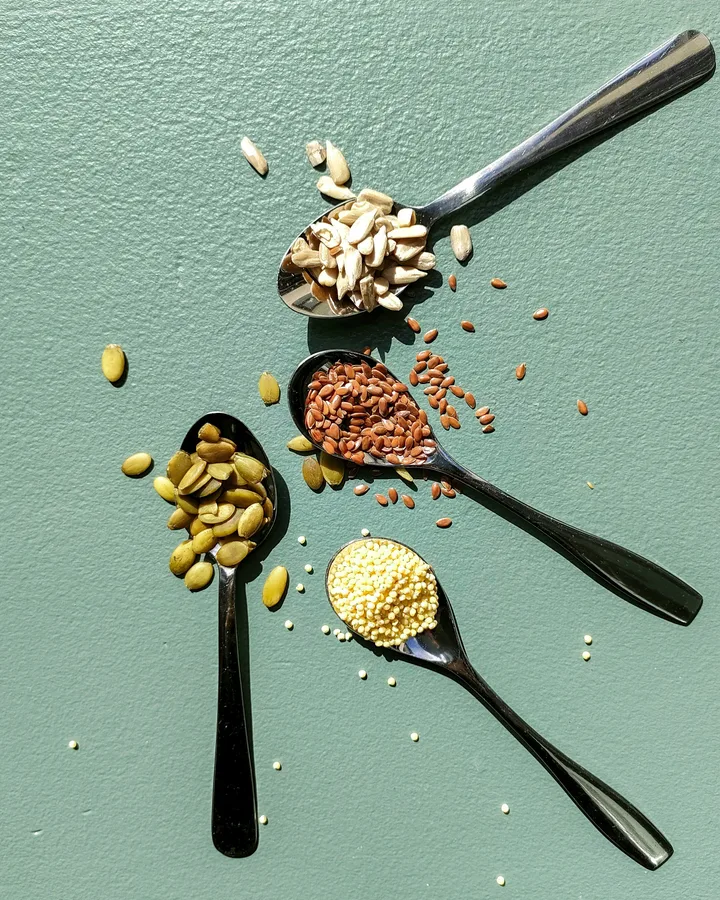
We love a nut here at HuffPost UK, whether it’s a cashew, almond or the humble brain-boosting walnut. But less is often said of seeds.
“I’m SUCH a big advocate for seeds,” nutritionist Charlotte Stirling-Reed told HuffPost UK. “I try and offer either nuts or seeds with breakfast every morning.
“Seeds don’t get enough publicity for the benefits they offer and the ease with which you can add them into your family’s diet.”
Seeing as we’re in pumpkin season, we asked Stirling-Reed and dietitian Dr Carrie Ruxton why pumpkin seeds pack such a punch in the health department.
Here’s what they had to say.
Top health benefits of pumpkin seeds, according to experts
They’re good for muscle, nerve and bone health
“Pumpkin seeds are a really useful little addition to the family diet because they’re one of the richest plant sources of several minerals that lots of us, including children and women, can fall short on,” said Stirling-Reed, who is the author of How To Feed Your Family.
Per 100g, she noted they’re high in magnesium, zinc and iron, and they also provide protein, fibre and mostly unsaturated fats.
The magnesium in particular can support normal muscle and nerve function and contributes to healthy bones, said Dr Ruxton, who is also co-founder of Salt St Andrews gym.
Stirling-Reed notes that iron and zinc are “particularly important nutrients, especially for children and women”. They fuel growth, brain development and strengthen the immune system.
Pumpkin seeds are also high in the mineral manganese, which helps to protect body cells from oxidative damage.
They help to control blood glucose
Dr Ruxton pointed to a study published in Nutrition Research which found that adding a large handful of pumpkin seeds to a high-carb meal reduced the individual’s glucose spike by 35%.
Pumpkin seeds provide unsaturated fatty acids
“Pumpkin seeds also provide unsaturated fatty acids, including the important omega-3 ALA and omega-6 fatty acids,” said Stirling-Reed.
Unsaturated fat is thought to be beneficial for heart health if swapped with saturated fats and, in adults, this can help to bring cholesterol levels down.
They’re a great source of fibre
Pumpkin seeds are also a very good source of fibre, which many of us aren’t getting enough of – 90% of Brits fail to hit the recommended 30g a day of fibre, yet getting enough of the stuff has been linked to lower bowel cancer, dementia, and heart disease risk, as well as better bowel movements.
“Eating plenty of fibre is helpful for digestion and to prevent constipation, as well as [having] many other health benefits,” said Stirling-Reed.
How to eat them
Pumpkin seeds don’t need to be cooked, but toasting them on a light or medium heat can enhance the flavour, said the experts, especially if you’re adding them to soups and other meals.
As they contain non-heme (plant-based) iron, Stirling-Reed recommends pairing them with vitamin C rich foods like tomatoes, citrus fruits, berries or peppers to “support optimum iron absorption”.
As whole pumpkin seeds are a choking risk, they’re not recommended for children under five, added the nutritionist, who suggested adding milled (finely ground) pumpkin seeds or ‘seed butter’ to young children’s food – providing, of course, they’re not allergic.
“With seeds I do try and offer a variety of seeds regularly … I love offering seeds in homemade granola, as part of little monkey nut snack bowls or sprinkled on top of soups and other dinners,” added Stirling-Reed.
“I also offer milled seeds for breakfast on most days! I think they are such an easy way to add nutrients to dishes without altering the flavour too much.”
Dr Ruxton also adds them to her breakfast most days. Greek yoghurt, defrosted cherries, Lizi’s granola, runny honey, and a handful of pumpkin seeds are her go-to.
So, if you’re carving a pumpkin later this month, don’t discard the seeds – toast them, or rinse and dry them, or grind them, and enjoy all the health benefits they have to offer.