WTW said a protracted Middle East conflict is emerging as the most likely near-term scenario to impact terrorism and political violence reinsurance renewals, and the market has entered a new equilibrium.
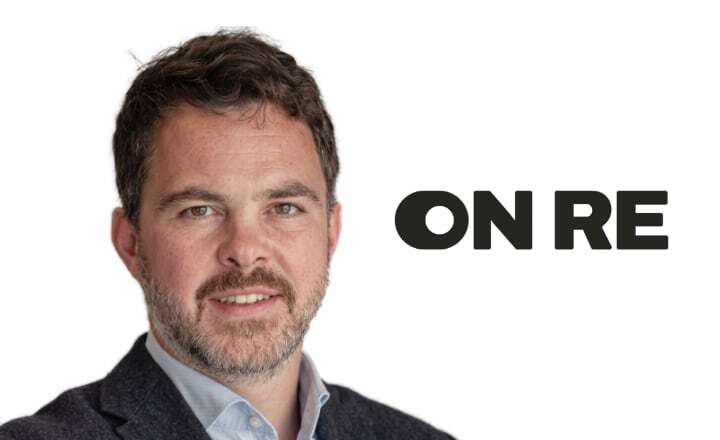
Fergus Critchley, global head of terrorism and political violence at WTW, speaking ahead of renewals on April 1, said the market appeared to have reached a new operating benchmark amid a greater likelihood of ongoing conflict.
“Insurers are still offering solutions for all major lines, but the lines are smaller, terms are tighter and rates are higher than before,” he explains.
Critchley added, “A number of treaties are scheduled to renew on April 1 and we are waiting to see if there are any significant constraints, although this is not currently forecast, as insurers are underwriting smaller volumes immediately and therefore retaining more net risk, this should help limit pressure on excess loss structures from the January 1 major treaty renewal date.”
He noted that in the event of a de-escalation, as the current shock pricing environment eases, insurer interest is likely to rebound relatively quickly, but not to pre-conflict levels.
“As insurers remain cautious, coverage, particularly coverage for contingent risks such as supply chain risks, may be slower to recover,” he said.
However, a worsening of the conflict, whether due to geographic expansion or increased intensity, will have the most significant impact on the market.
Critchley explained: “In this scenario, we may see stop-loss orders covering new risks, higher recommendation requirements, and broader impacts on global markets beyond the MENA region.”
He concluded: “Currently, capabilities outside the region remain largely unchanged; pre-conflict warfare capabilities of approximately $3.5 billion and terrorism capabilities of approximately $5 billion have shrunk significantly within the MENA region alone.
“Importantly, unlike the immediate response to the outbreak of war in Ukraine, reinsurers have not signaled their intention to implement blanket regional exclusions.
“This means that insurers will continue to manage risk exposures through overarching controls rather than broad-based treaty restrictions, which is a constructive sign for customers renewing this cycle.”
In a related development, earlier comments by Howden Re executives suggested that the Strait of Hormuz could be closed in the event of heightened tensions, which could pose a significant stress test for the re/insurance industry.
Even so, the market is expected to remain well capitalized and engaged, with any reaction likely to focus on targeted repricing, tighter terms and increased scrutiny of aggregation and program structures, particularly in the context of mid-year renewals.
The post Ongoing Middle East Conflict Drives ‘New Balance’ in Terrorism and Political Violence Reinsurance: WTW appeared first on ReinsuranceNew.ws.