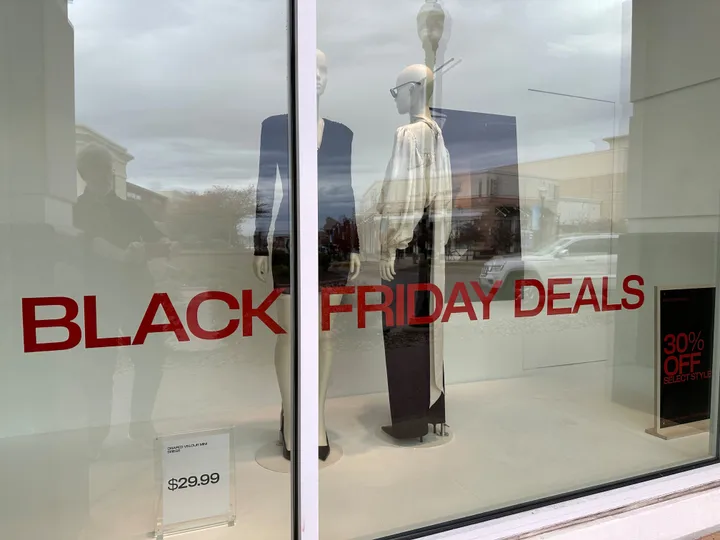
Black Friday comes around every year and it’s a day that many people look forward to because it means you can secure great deals on your Christmas shopping. It’s marked in most people’s calendars.
The term has been floating around for years, but many people don’t actually know where it came from or why it started getting used.
You’d be surprised to know that the origin story of Black Friday is however, nothing to do with actually buying things at all.
What does Black Friday mean?
The very earliest documented use of Black Friday as a phrase was in 1869 and it was the day that plummeting gold prices actually caused a market crash. So it was a very dark day for many people.
The phrase next properly appeared again in Philadelphia in the 1960s. It was initially used to describe the chaotic footfall in the shops the day after Thanksgiving. People had to work long hours that day and staff didn’t exactly look forward to it.
Initially the name had very negative connotations as it was a day that staff in shops used to dread. It wasn’t positive at all.
In the 80s, things shifted a bit and retailers started leveraging this day and using it to their advantage by offering sales, whilst also wanting to re-frame the narrative around the day.
The sales enticed even more people out to the shops and to this day, it has stuck.
How did Black Friday come to the UK?
Black Friday really started off as an American concept, until 2010 when Amazon introduced it as an offer to its customers. Then after that, it took off.
The idea was adopted across the country and it became just as big a thing here in the UK as it was in America.
When is Black Friday 2026?
Black Friday falls on Friday November 27 this year, but most places have already started advertising their pre-Black Friday deals. So you don’t need to save it for the big day to grab yourself a bargain.
Most places offer some kind of discount around the time, so make sure you don’t miss out on any savings or deals.