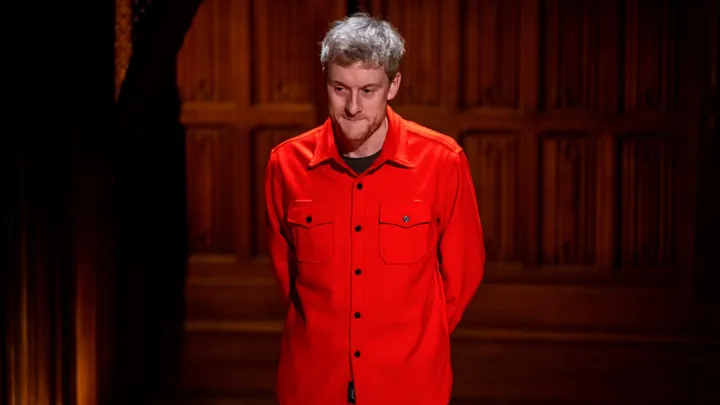
“My experience of menopause was devastating,” said Jane Alexander, who was diagnosed with both autism and ADHD at the age of 49, long after perimenopause had hit.
One in 10 women who work during the menopause end up leaving their job due to the debilitating symptoms. Jane was one of them.
“It was so difficult to untangle what was happening at the time,” she said. “I was hit with brain fog, fatigue, crippling anxiety, low mood, overwhelm and sensory issues that meant I was struggling with the noise and lights in my open-plan office.
“I was either crying or in a rage. I had daily headaches and gut issues.”
Jane was 43 at the time and said she had “no idea” it was perimenopause. Her doctor prescribed antidepressants, but there was no mention that it could be menopause.
“There was no support available,” she said. “It was only through late-night googling that I found out about hormones and perimenopause. I found a private menopause specialist and I’ve now been on hormone replacement therapy (HRT) for seven years.
“I’ve also overhauled my lifestyle through nutrition, exercise and nervous system support. It has been life-changing.”
Her experience led her to retrain as a menopause wellness practitioner and coach so she could offer support to other women going through it.
“It was only two years ago that I was diagnosed AuDHD [a term describing dual diagnosis with autism and ADHD] so I now understand why I struggled so much,” she added.
For Kerry Farrell, her autism diagnosis finally came two years ago, at the age of 52. Like Jane, she went through perimenopause with no idea that she was autistic – and she struggled because of it.
“The first signs were relentless mood swings. I was tearful all the time and really angry. I was exhausted and my joints ached. My meltdowns got much worse and I became overwhelmed far more quickly,” she said.
“It took about six months before I realised what was happening, when a HRT nurse at my medical centre told me it was almost certainly perimenopause.”
A new study, to be published in the journal Autism in Adulthood, found autistic women consistently experience more severe menopausal symptoms compared to non-autistic women.
Led by PhD student Eunhee Kim, researchers at Bournemouth University compared self-reported menopause symptoms between 900 autistic and non-autistic people.
Autistic people showed more severe menopausal symptoms across several weeks of the study compared to non-autistic individuals, and also had greater anxiety, depression and lower quality of life.
Kerry, who is founder of Pink Rebellion and a midlife and menopause coach, said the perimenopause hit her mental health “hard”.
“I wasn’t coping at work. I had terrible brain fog, I was tired all the time, and I was tearful and snappy with colleagues. I lost my job in January 2019, and my relationship ended shortly afterwards,” she said.
“Looking back, I was trying to cope with menopause without understanding my own brain. If I’d known I was autistic, I’d have known what I needed, and maybe so would my employer.”
Eunhee Kim said autistic people might already struggle with memory, planning, managing emotions and sensory sensitivities, “and many try hard to fit in and mask their differences while struggling with these things, so menopause could worsen things that are already difficult for them”.
Menopause can also worsen pre-existing mental and physical health conditions, the study found, with Kim suggesting “this is one reason why autistic people, who are more likely to have poorer health to begin with, might have an especially difficult time during menopause”. We know autistic people have a higher risk of suicide than non-autistic people, and suicide rates also seem to spike in women around the age of menopause.
Jenny Lucas, 42, began perimenopause in her mid-thirties – again, she hadn’t been diagnosed with autism at this point. “My cycles were still regular, so I was told I was too young for it to be hormonal,” she said. “What I had was exhaustion, a scrambled brain, flushes, fluctuating anxiety and overwhelm.”
Blood test results came back normal. “Some days I couldn’t see which way was up. I worried I had early-onset dementia,” she said.
Back then she didn’t know that she was autistic, or that she had ADHD, “so I assumed my brain was broken,” said the founder of Audhdistically Me.
“My traits were coming through more strongly and I had nothing to explain any of it.”
HRT helps, but autistic women need ‘support that fits how our brains work’
All three women say HRT helped them, but Kerry added it “isn’t the whole answer for autistic women”, who also deserve tailored support, including better mental health support, as well as workplace adjustments “like being able to take time out when overwhelmed”.
Kerry added: “I lost a job I was good at because nobody, including me, understood what was happening. HRT helped, but autistic women need more than a prescription. We need support that fits how our brains work.”
The researchers of the latest study found that feeling out of control, and struggling to understand menopausal changes to the body and mind, appeared to predict the severity of autistic women’s menopause symptoms.
Professor Julie Gamble-Turner, co-author of the study, said: “Autistic people have often told us ‘I thought I was going mad’, or ‘I thought I had a disease’, because their menopausal experiences don’t resemble what they’ve read or heard about in other people.”
She suggested that providing information tailored for autistic people about what to expect during menopause would help them people “less frightened, confused and out of control”.
Jane noted there needs to be greater awareness among healthcare professionals of how menopause may affect autistic women, and better recognition of the effects on mental health, daily functioning and employment, too.
Dr Rachel Moseley, the study’s other co-author, highlighted how healthcare professionals have an important role to play in ensuring women feel supported at such a vulnerable time.
“Autistic people often tell us that they struggle to access help during menopause. Sometimes, doctors do not believe how much they are struggling, perhaps because autistic people do not necessarily show their distress in the way non-autistic people expect,” she said.
“Autistic people can be in crisis yet sound quite calm and logical. It’s so important to believe any person who tells you they are struggling.”