To call myself a Nigella Lawson fan would be like saying Paul Hollywood’s eyes are blue. I am, and they are – but much more so than anyone who’d never witnessed either my baking rants or Paul’s piercing peepers would have ever expected.
I’ve already tried (and written about) her lasagne of love, lemon tuna pasta, Nutella cheesecake, and tiramisu recipes. I’ve even given her “old-fashioned” chocolate cake – which relies on that positively Victorian staple, the blender – a go.
But as it happened, I’d just whipped up her devil’s food cake base the week before one of its techniques showed up in an episode of Great British Bake Off. And having tried it, I strongly recommend the technique.
Add boiling water to cocoa-based cakes
Fat is always quite a delicate thing to manage in chocolate bakes. If you use real chocolate, the cocoa butter present in the bar can change how the crumb forms and cools (this is why, after a few trials, I found it best to only use cocoa powder in my brownie batter).
But when you’re using cocoa powder as the sole chocolate source in a cake, you might be tempted to temper the ingredient with a luxurious liquid like milk for a more lush texture.
This, however, actually ends up having the opposite result for chocolate cake specifically.
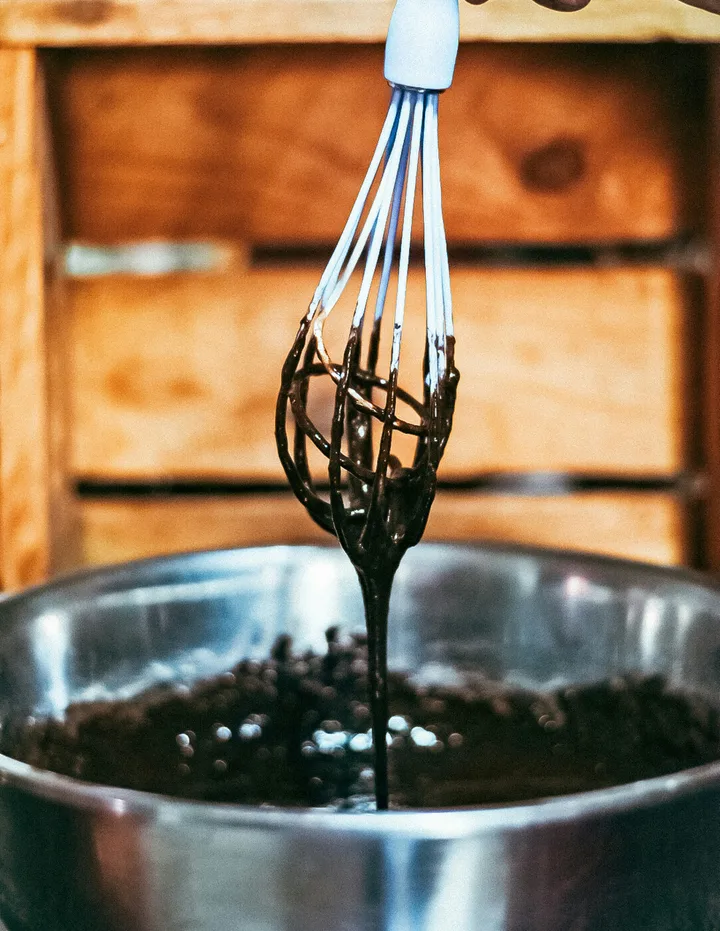
To really make cocoa-based cakes shine, hot or even boiling water is best (Nigella’s recipe calls for 250ml of boiling water, poured into a cocoa and muscovado sugar mix, and left to rest).
Abigail Clarke via Unsplash
There are a few reasons for this.
Firstly, milk masks and dims the flavour of cocoa. “With milk, there’s a little bit of sweetness, a little bit of sourness, so there are some other contributing flavors present there. Which, in the case of chocolate cake, kind of works against it,” explains King Arthur’s senior recipe Developer Molly Marzalek-Kelly.
Secondly, thinner is actually better for a “moist, tender crumb,” recipe site Allrecipes reads. This is partly because “the starches in cocoa powder make it very drying, so it will draw moisture from your bake,” as Alex George, the author of In The Mood To Bake, revealed to the culinary site Tasting Table.
When starches like flour cook, they fill with water, swell up, and eventually burst. These carbohydrates then release molecules that create a gel – which in turn binds to more liquid. Basically, that means very starch-heavy batters, such as cocoa-only cakes, will become more moist if they’re surrounded by a lot of liquid.
Lastly, when it comes to cocoa specifically, hot water makes the powder “bloom”, deepening its flavour and aroma and smoothing its texture.
In short, boiling water ought to be the secret to a moister, smoother and chocolatey cocoa cake.
So… does it work?
Let me start by saying there’s a reason I haven’t written about Nigella’s devil food cake specifically yet. I made it during a cake craving out of what I had in the cupboard, which meant I didn’t have the ingredients for its crucial icing.
Nor do I have two pans, which means I baked the whole thing at once (a good way to mess up a great recipe).
Despite all this, I was amazed by how decadently moist, rich and, well, chocolatey the end result was. It had that unbelievably soft crumb I’d only previously experienced in steamed puddings, like sticky toffee (water is, obviously, key here too).
Surprise surprise: Nigella knows what she’s on about. And it seems she’s changed how I bake cocoa-based chocolate cakes for good.