First, came the discovery that a lot of mass-produced paprika comes from a type of sweet bell pepper (Capsicum annuum), which offers next to no heat.
Then, I found out that cloves are the dried buds and stems from clove tree branches and capers are actually flower buds, hand-picked, dried, salted, and sometimes brined before we eat them.
So, what about cumin, the deliciously earthy spice that’s key to dishes like falafel?
As it turns out, the spice starts its life as a fruit.
What is cumin made from?
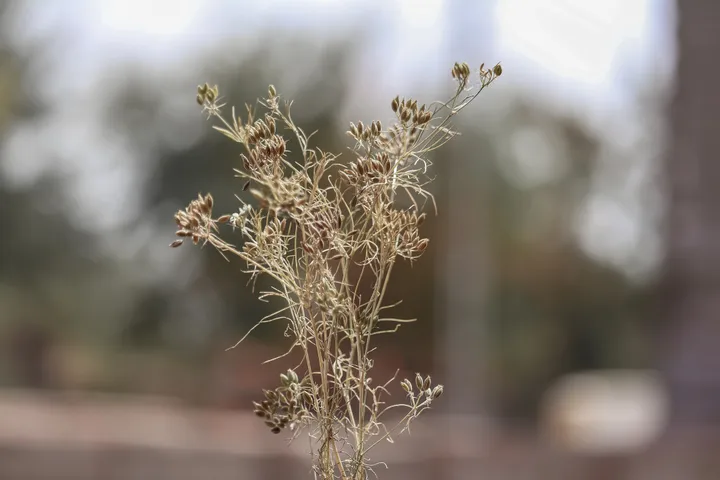
Perhaps surprisingly, the cumin plant (Cuminum cyminum) is part of the carrot and parsley family (Apiaceae). The parts that we use in cooking are its “seed-like” fruit, called schizocarps.
A schizocarp is a type of dry fruit that is made up of lots of other little fruits. Once ripe, it splits up into many tiny segments (carpels), each containing a single seed.
(By the way, pineapples are a kind of syncarp – a bunch of many flowers which fuse into a single fruit.)
The cumin’s schizocarps are shaped like long, brownish-yellow ovals. They’re hairy and ridged.
Dinesh Ahir via Getty Images
Cumin is ready to harvest when the fruits become hard and tough. Spice company McCormick’s Science Institute said they “are typically harvested by hand”.
Once dried, they can be used either whole or ground.
Cumin has long been used for its medicinal purposes
Traditional medicines across the globe have long relied on cumin.
And now, we know that the dried fruits may help aid digestion, improve cholesterol levels, and even reduce the risk of food-borne illnesses.
Research also suggests it could help to lower inflammation, though we’re not yet sure why.
Cumin is also rich in antioxidants like phenols and flavonoids, which can help to mop up free radicals in the body that might otherwise damage our DNA.
One study found that seasoning your food with cumin could help control blood sugar among those with diabetes.
Not bad for a dried fruit, eh…