We all know getting enough good quality sleep is important for our health.
In fact, lack of sleep has been linked to a whole host of chronic health issues like high blood pressure, diabetes, stroke, obesity, depression and heart disease.
So, any advice that enables us to drift off quicker and enter the realms of deep, restorative sleep is welcomed.
According to Dr Tim Mercer, a NHS GP partner and GP trainer, there are some subtle changes we can be making in our homes this autumn to make sleep easier to come by – especially with the clocks soon set to change.
Dr Mercer, who’s working with Opera Beds, said: “As the clocks go back and we transition out of British Summer Time, it’s important to understand how melatonin plays a key role in regulating our sleep-wake cycle.
“Melatonin is a hormone naturally produced by the pineal gland in the brain, and its release is influenced by light exposure.
“During the evening and in darkness, the pineal gland increases melatonin production, signalling to the body that it’s time to sleep.”
Exposure to daylight – and indeed, artificial light (for example, the big light in your living room) – suppresses melatonin production, keeping us more alert.
You know where this is going…
Why ditching the big light is a pre-sleep flex
Dr Mercer suggested that, for better sleep, we should ditch the big light in favour of small, dimmer lights.
“Bright ceiling lights are designed to energise a room, not relax you, and using them late at night can overstimulate the brain just when it should be slowing down,” he said.
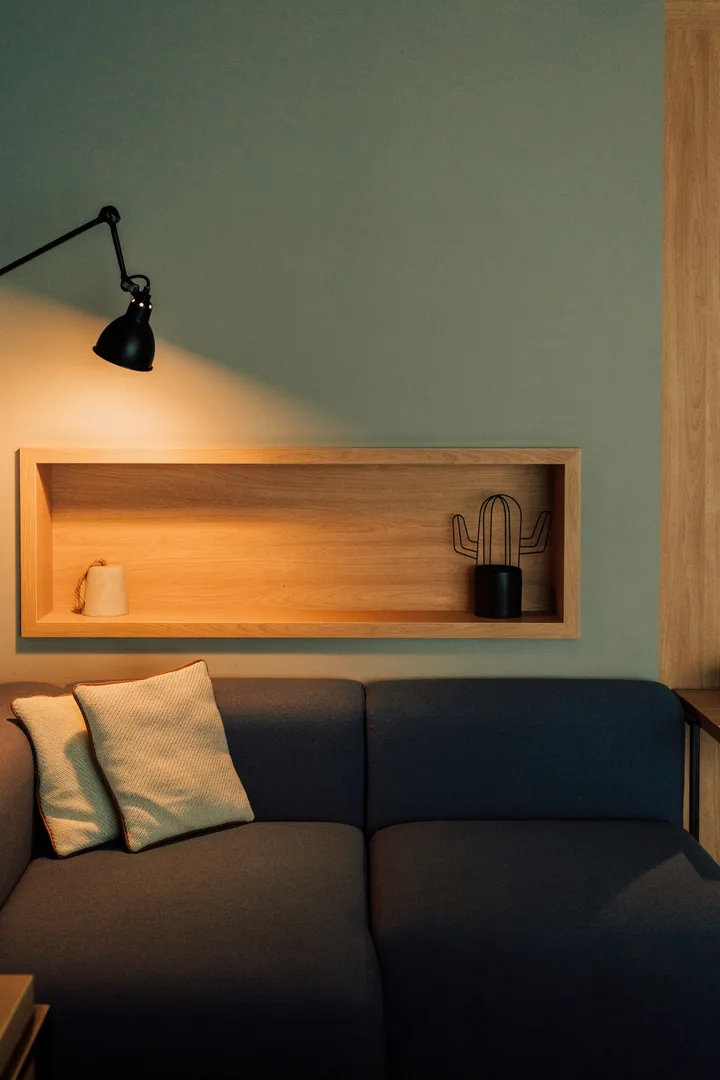
“Instead, switch off overhead lighting at least an hour before bed and use soft, low-level lamps positioned at eye level or below.
“This creates a gentler, more calming atmosphere and reduces glare, helping the mind transition from daytime mode to rest.”
Switch your bulbs up
Changing the bulbs in your lamps is also a wise move, as cool white and daylight bulbs “emit higher levels of blue light, which can suppress melatonin, the hormone responsible for regulating sleep, and keep your brain alert”, the GP explained.
“In the evening, your body needs warmer, softer tones to signal that it’s time to wind down,” he said.
“Switching to warm white bulbs, ideally 2700 Kelvin or lower, helps mimic the natural hues of sunset, encouraging the body’s internal clock to prepare for sleep. It’s a small change that can make a noticeable difference to how quickly you drift off.”
Think about your night light’s hues
If you need light during the night – for example, to find your way to the loo or check on your kids – the GP recommends opting for red or amber-toned lighting, “as these have the least impact on melatonin production and allow you to see safely without fully waking your brain”.
“This can be particularly helpful for older adults who may frequently wake up because of discomfort from chronic health conditions, or if you often need to make a trip to the loo. Either a red-toned bedside lamp or torch could keep you in a sleepier state,” he said
Here’s to a good night’s rest!