Ofcom has received more than 7,000 complaints amid the ongoing controversy surrounding Big Brother.
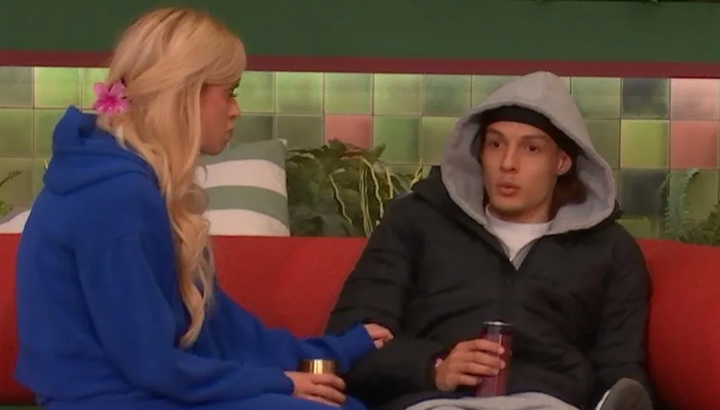
Earlier this week, Big Brother fans began expressing their concern over housemate Omar El Mayer’s treatment of Rhianna Collins, with whom he’s struck up a turbulent romantic relationship during his time on the show.
Following Monday’s episode, during which producers were seen checking on Rhianna’s welfare after a prolonged row with Omar, many viewers expressed the belief that he should be removed from the house, with the domestic violence charity Women’s Aid weighing in.
On Wednesday, Ofcom confirmed in its latest weekly report that it had received a total of 7,138 complaints about that episode of Big Brother, which will be assessed before the TV watchdog decides whether to pursue an investigation.
It was also revealed that Ofcom received more than 1,000 complaints about other episodes in the show that aired over the past week.
HuffPost UK has contacted ITV for comment.
An ITV spokesperson previously said in response to viewers’ concerns: “All housemates receive respect and inclusion training and an extensive briefing from the Big Brother senior team to prepare them for living in the house and to set out Big Brother’s expectations for appropriate behaviour and language.
“Housemates are monitored 24 hours a day and any instances of inappropriate behaviour are responded to appropriately. Welfare and safeguarding are prioritised throughout the production, with a dedicated welfare team available to support housemates before, during and after their time in the house.”
Women’s Aid’s subsequent statement read: “We’re seeing coercive and controlling behaviours being given a platform in popular media like Big Brother. We’ve been contacted by many viewers who have expressed concern. Not only does Big Brother risk minimising survivors’ experiences, it also risks presenting abuse as a form of entertainment.
“Producers should understand their responsibility to keep contestants emotionally and physically safe. The women in these programmes are real people and need real support.”
They also said: “We continue to urge television companies such as ITV to engage with experts like Women’s Aid to understand the nature of abuse and how they can do better to protect contestants.”