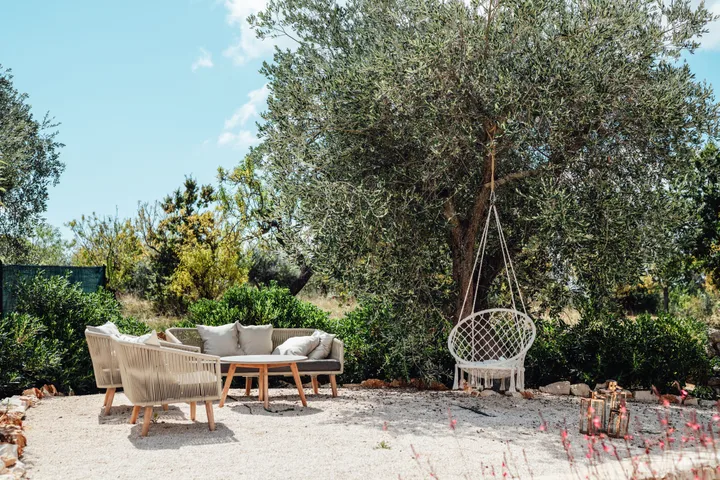
As the south of England enters the fifth (!!) heatwave of the year, you might be looking at your garden wondering whether some major changes are due in the years to come.
British summers are only going to get hotter and drier if Met Office data is anything to go by. The national weather and climate service noted the top five warmest summers on record have all happened since 2003.
Bone-dry lawns, withered shrubs and unbearably sunny spots are likely to become the norm in some gardens – especially in the south of England, which is currently facing hosepipe bans amid a persistent period of drought.
If you’re thinking about making a few changes to your yard so you can enjoy the outdoors come rain or extreme shine, three gardening experts have shared their top tips to heatwave-proof your outdoor space.
1. Create shade
“Providing shade in gardens is going to be vital in hot summers to come to reduce temperatures and provide environments for other plants to grow at their bases,” Kate Gould, a landscape designer, told HuffPost UK.
Small trees are great for creating shade, she said, recommending: Malus sylvestris (European Crab Apple), Lagerstroemia indica (Crepe Myrtle) and Hibiscus syriacus, which can grow up to 4m tall.
Garden designer Agata Henderson recommends Japanese maples and ornamental cherries, too.
Parasols, pergolas and retractable awnings can also help offer much-needed shade.
2. Opt for natural, lighter-coloured materials
If you’re looking to keep your back yard cool, Henderson recommends steering clear of artificial grass and composite decking or fencing which “retain a huge amount of heat”.
“Where possible, choose natural materials such as natural lawn, stone, gravel, bark mulch and timber fencing,” she said. “Not only do they stay noticeably cooler, but they also create a far more natural and wildlife-friendly garden.”
Similarly, if you’re planning a patio, steer clear of dark-coloured slabs. “Dark porcelain, black slate and other very dark materials absorb significant amounts of solar heat. During hot weather they can become so warm that walking barefoot becomes uncomfortable and, in extreme cases, may even cause minor burns,” she said.
“Lighter shades of natural limestone, sandstone or porcelain in soft beige and grey tones remain considerably cooler while creating a brighter, more inviting outdoor space.”
Oscar Wong via Getty Images
3. Give your soil some (organic) TLC
Kate Gould noted soil preparation is “the key ingredient to a flourishing garden”.
As summers warm up (and winters potentially get wetter), “adding structure in the form of organic matter [manure, compost, etc] to the soil will help retain moisture as well as the nutrients required for strong plant growth,” she added.
Rebecca Bevan, a garden researcher, shared with the National Trust that adding a 5cm deep layer of organic mulch to the surface of your soil when it’s moist in spring “will help conserve water in summer”.
4. Get a water butt
In addition to using mulch to keep soil moist, Andy Simms, of MyBuilder.com, recommends investing in a water butt – especially as hosepipe bans become more common.
“They collect water during rainy periods, which you can use for your plants during periods of a potential hosepipe ban,” he explained.
Here’s our pick of some of the best water butts on the market.
5. Plant drought-resistant shrubs and grass
Simms also suggested planting drought-resistant plants which “typically need much less water to survive than regular plants, and instead rely on special deep-root features to keep themselves going”.
“Lavender and rosemary are two common drought-resistant plants which are readily available, and should be planted around early spring, for full growth by summer,” he added.
Similarly, he advises considering drought tolerant grass. “It’s also worth remembering that most traditional garden lawns are quite thirsty, and may take up a lot of your attention during hot weather,” he added.
“Drought-tolerant grass, however, is available. Festuca arundinacea – or tall fescue – is particularly effective during dry periods due to its long roots, which can stretch to water sources beyond the reach of other grasses.
“Try to replace your grass before the hot season, though. While the job itself should only take a few days, you’ll need to water it every day for two weeks afterwards to help it establish new roots.”
6. Design your garden around the sun
As a garden designer, Henderson said one of the biggest mistakes she sees is “placing the main seating area in the sunniest part of the garden”.
If you’re thinking about landscaping in the coming months, observe where the sun and shade fall throughout the day – and think about when you’re most likely to use the garden.
“For many families, the garden is used most after work, making an evening sun terrace far more practical than a patio that bakes in full sun all afternoon,” she said. “As we get older, many of us also become less tolerant of prolonged heat, making shaded seating areas increasingly valuable.”
Make sure your garden has a mix of both sunny and shades places to sit. If you’re planning on getting a new lawn laid, the expert suggests doing it in spring – or “a month of two before the heatwave destroys it” – so that it stands a chance of growing back when the rain hits come autumn.