Mainstream wellness loves a set of instructions. Eat clean, train harder, get eight hours’ sleep, meditate more, buy (and try not to forget to take) that £70 “miracle” supplement, and perhaps sign up for a Hyrox competition while you’re at it.
But if you have a takeaway, spend a weekend partying or skip hot yoga for a hookup, you’ve somehow let yourself down. Apparently, looking after your health is now like having a second job, where you feel guilty if you’re not in an ice bath at 4am, doing everything the protocol-led biohackers tell you to do.
As a gay man who spent many years treading water in unconscious shame, I studied a two-dimensional nutrition curriculum that taught me what food could do for the body but also reinforced my belief that health was something I could perfect. I followed diets, tracked my progress and treated discipline as evidence that I was doing well. Whenever I veered off plan, the ripples of not feeling good enough would follow.
Meanwhile, I kept the behaviours that didn’t fit the healthy image I was trying to project firmly beneath the surface. What I failed to recognise was how much of my relationship with food and my body was being shaped by shame, pressures within the queer community, my then-undiagnosed ADHD, and the ways I had learnt to cope with stress and the trauma I carried.
After fifteen years in practice and more than my own share of healing, I’m more interested in what a routine means to someone than whether they follow it perfectly. Is food nourishment, comfort, control, or sometimes all three? Is exercise enjoyable, or something they feel anxious about missing?
The more I asked these questions, the more I questioned the advice itself, particularly the assumption that the same health advice could work for everyone, regardless of their identity, history or circumstances. Little of what I’d studied, or the advice being promoted more widely, reflected the lives of people within my community. We were told what a healthy lifestyle should look like, but rarely how nutrition could help with the things queer people were actually experiencing.
When I began writing about LGBTQ+ health,I kept encountering the same question: why would queer people need different diets? Often asked with the confidence of someone who thinks mentioning calories and macros has settled the entire argument. Of course we don’t need our own food pyramid. But I’ll spend my last working breath reminding people that nutrition doesn’t happen in a vacuum.
The imaginary default patient
Much mainstream health advice quietly assumes a heterosexual, cisgender, able-bodied person with a steady income, predictable working hours and a reasonably uncomplicated relationship with food. It rarely announces these assumptions. It simply issues the instructions and leaves people feeling that if they can’t follow them, they must be doing something wrong.
But advice doesn’t land on a blank slate. For many queer people, years of feeling judged, rejected or pressured to fit in can shape how we relate to our bodies. Consider the muscular ideal celebrated in parts of the gay community, expectations around femininity and body size, the complexities of gender dysphoria, or how an HIV diagnosis can change someone’s relationship with their body and health. These experiences can influence how we approach food, exercise and looking after ourselves in ways conventional advice rarely considers.
Add minority stress, neurodivergence, financial pressures and family responsibilities, and the familiar instruction to simply be more disciplined starts to sound detached from reality. Someone struggling to maintain a healthy routine may be overwhelmed rather than lacking willpower. Meanwhile, someone who meticulously controls their diet, tracks every workout and monitors their sleep might look like the picture of health, yet beneath that discipline could be anxiety, shame or a need for control when other parts of life feel uncertain. Mainstream wellness tends to judge both by how closely they follow the rules, without questioning what’s driving their behaviour or whether those rules are helping them.
The health questions that don’t fit the template
Discussions of LGBTQ+ health tend to swing between public-health crises and polished aesthetics. What gets neglected is the messy middle of everyday wellbeing: digestion, sleep, skin, energy, mental health, sexual confidence, fertility and family building, all within the context of queer life.
Many people don’t realise how nutrition and lifestyle advice might relate to the challenges they’re facing, or feel comfortable enough to ask. Stonewall’s 2018 health survey found that one in seven LGBT respondents had avoided seeking healthcare because they feared discrimination. Even when people do seek help, there’s no guarantee that the professional understands their circumstances well enough to offer relevant advice.
I’ve worked with clients embarrassed to admit that IBS was interfering with their sex lives. Others have encountered healthcare professionals who mistook PrEP, which prevents HIV, for treatment of an HIV diagnosis. Questions about nutrition during gender-affirming hormone treatment, or how stress and mental health affect physical wellbeing, can also go unanswered or be addressed without sufficient understanding of the person asking.
There’s a similar taboo around discussing nightlife, sex and substance use. Substance use is a reality in parts of queer life, yet conventional wellness rarely goes beyond telling people to drink less and sleep more. Practical harm-reduction advice, such as how to nourish yourself before partying and support recovery afterwards, can make a genuine difference. For those struggling with addiction, it’s also important to understand how minority stress, rejection, shame and pressures within queer communities may have shaped their relationship with substances.
Queer health needs more than a rainbow logo
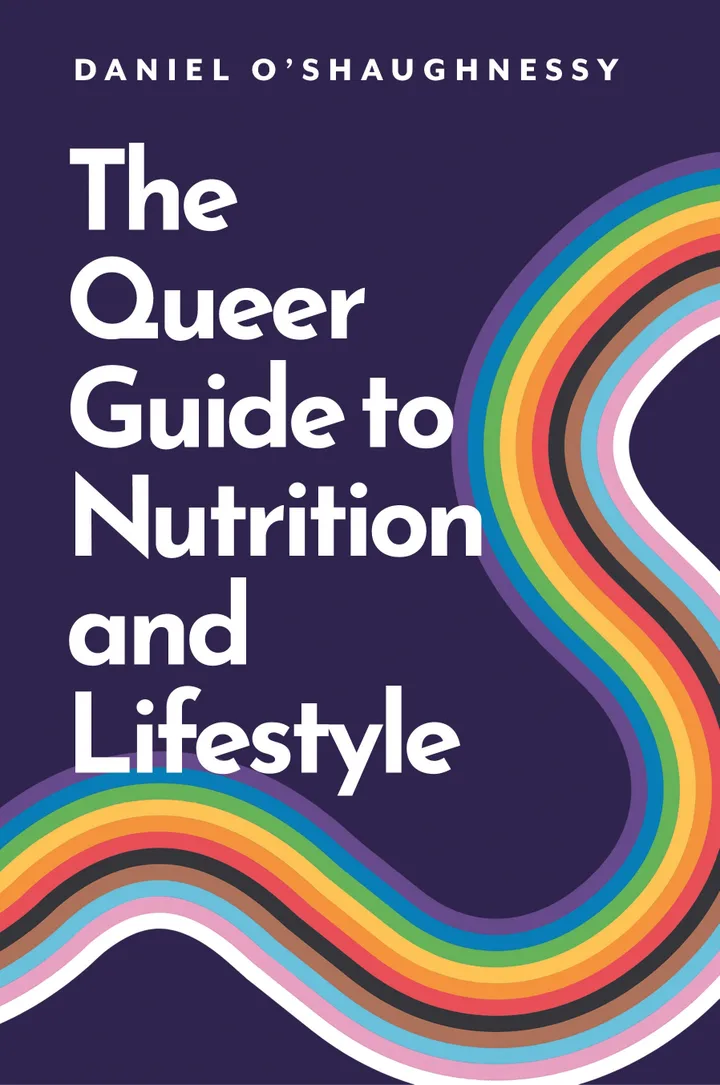
I wrote The Queer Guide to Nutrition and Lifestyle to help people understand how nutrition and health relate to their lives in ways conventional advice often overlooks. I wanted to make information accessible to those who might never have felt comfortable asking certain questions, while encouraging others to become curious about how their identity, circumstances and lived experiences influence their health.
Daniel O’Shaughnessy is an award-winning nutritionist and Functional Medicine Certified Practitioner with fifteen years of clinical experience and an earlier career in addiction counselling. He is the author of The Queer Guide to Nutrition and Lifestyle & Letting Go of Perfect: A Gay Man’s Guide to Healing from Body Dysmorphia, both published by Jessica Kingsley Publishers.