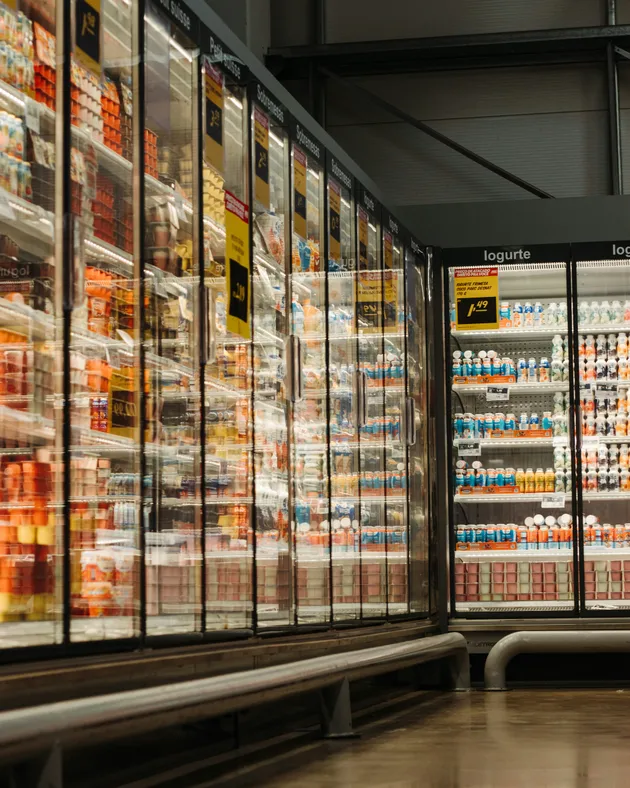
Fridge cyber attacks have been at the forefront of news in recent weeks after supermarket fridges and freezers in a number of European countries were hacked.
Recent waves of cyber attacks targeting fridges in Europe have seen tonnes of food spoiled at hundreds of stores, resulting in millions of pounds worth of damage.
A behind the scenes cyber-security operation has been taking place to secure tens of thousands of fridges and freezers at major UK supermarkets, restaurants, warehouses, petrol stations, and stadiums from hackers, according to a report by the BBC.
While it was initially believed the UK was exempt from such hacks given the food industry here relies on different devices, security researchers discovered a major flaw that, if found by hackers, could have led to astronomical damage in Britain.
Why are people hacking fridges?
The exact motive for hacking fridges and freezers is yet to be established.
However, as is understood, the reason behind the hacks appears to be disruption and potential financial damage, rather than anything to do with stealing data from the fridge.
As things stand, nobody has claimed responsibility for the hacks around Europe.
The biggest motivation for a hacker wanting to get into a fridge, however, is what it’s connected to rather than the fridge itself.
In this case, it’s more than likely hackers are wanting to reach the internet systems behind the fridges, which would enable them to access wider infrastructure.
Why are fridges connected to the internet?
In recent years, refrigerators, heating systems and security systems have increasingly migrated online so they can be monitored remotely, making it easier for shops to manage.
The downside to this, however, is that in theory, if a device is connected to the internet or a cloud network, it can be hacked.
Once they enter the network, a hacker can gather information or control a device by changing the settings, locking users out of their accounts, or switching a device off in its entirety.
What do the fridge cyber attacks mean for UK supermarkets?
As things stand, the UK seems to be safe from fridge hacking.
Researchers, IT teams and the National Cyber Security Centre have been working hard to warn dozens of major companies about the security flaw.
The security threat was discovered by staff at refrigeration consultants Omega Solutions, which was then verified before experts at Pen Test Partners sounded the alarm on the dangers.
The National Cyber Security Centre (NCSC), the Department for Environment, Food & Rural Affairs (DEFRA) and Food Standards Agency (FSA) were then involved in the campaign to plug the security holes.
Thousands of devices controlling tens of thousands of refrigeration devices were taken off the open internet.
For now, supermarkets in the UK seem to be largely out of the woods with the fridge hacking spree.