Energy bills are set to soar in January as the war in Iran has sparked a major surge in gas prices, trickling costs down to UK households.
A typical energy bill in the UK will see an increase of around £37 a month under the new price cap, which is expected to run from January until March, 2027, before another review.
A household using a typical amount of energy in England, Scotland and Wales and pays their bills via direct debit, will see their yearly costs rise from £1,723 to £2,166.
Here, Octopus Energy’s experts have shared some of the ways households can try and keep their bills down:
1. Keep the heat you’ve paid for
Once you’ve turned the heating on, it’s essential to try and trap in that warmth so you’re not having to keep it running all day.
Check your loft insulation (you want around 250mm of the stuff, according to Octopus), fill any draughty gaps around windows or doors, and assess whether your letter box or unused chimney is leaking warm air.
Ahead of the coolest months, bleed your radiators so they run more efficiently and clear any furniture from in front of them so heat can disperse into the room better.
2. Set the flow temperature of your boiler
If you have a gas boiler, check the flow temperature, which controls how hot the water flowing from your boiler to the radiators is.
Octopus’ energy experts suggested that many are set too high by default and advise lowering it to 55-60°C to keep homes warm while trimming bills by around 12%.
It’s also worth getting your boiler serviced annually to ensure it’s running efficiently and safely – especially as an unserviced boiler can waste as much as 10% more energy.
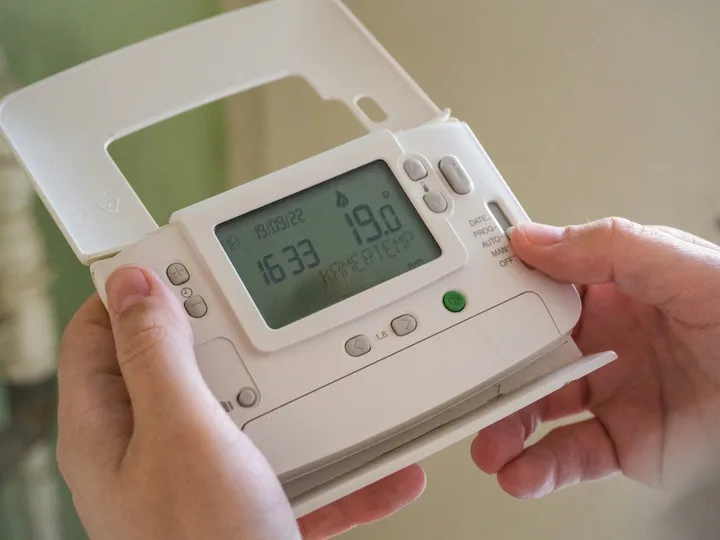
3. Turn your thermostat down by 1°C
It’s also worth thinking about how you use your thermostat, as using it like an on/off switch or “boost” button can actually waste energy, suggested experts, as the system works harder to reheat the space.
“You’ll stay comfier – and use energy more efficiently – by setting it to come on only when you need it and leaving it steady between 18-21°C,” they added.
In fact, turning it down by just one degree could save you up to £145 a year.
4. Use smart controls to heat where and when you need to
Smart thermostats and thermostatic radiator valves (TRVs) can help reduce waste by heating individual rooms to different temperatures.
If you’re mostly at home during the day, schedule heating for occupied rooms only – and if you work from home, closing the door to a smaller room (like a study) lets your body heat warm it naturally over time.
5. Air-dry instead of tumble-drying
Everyday tweaks to how you run your household can help shave costs, including:
- Washing clothes at lower temperatures,
- Air-drying instead of tumble drying,
- Batch-cooking meals and using residual oven heat for warmth,
- Fitting radiator reflectors behind radiators on external walls
- Insulating your pipes (which helps water heat up faster).
6. Understand your energy usage
If you’ve got a smart meter, check your live data so you can spot ‘vampire’ devices that draw power even on standby mode – you can then make sure you turn them off at the plug.
7. Make sure you’re on the best tariff for your energy needs
Checking your tariff is hugely important. Octopus’ energy experts suggested many homes can save money with time-of-use tariffs, where prices vary by time of day.
“These tariffs reward you for shifting energy use to off-peak hours, which is particularly handy if you have an electric vehicle, heat pump or home battery,” they added.