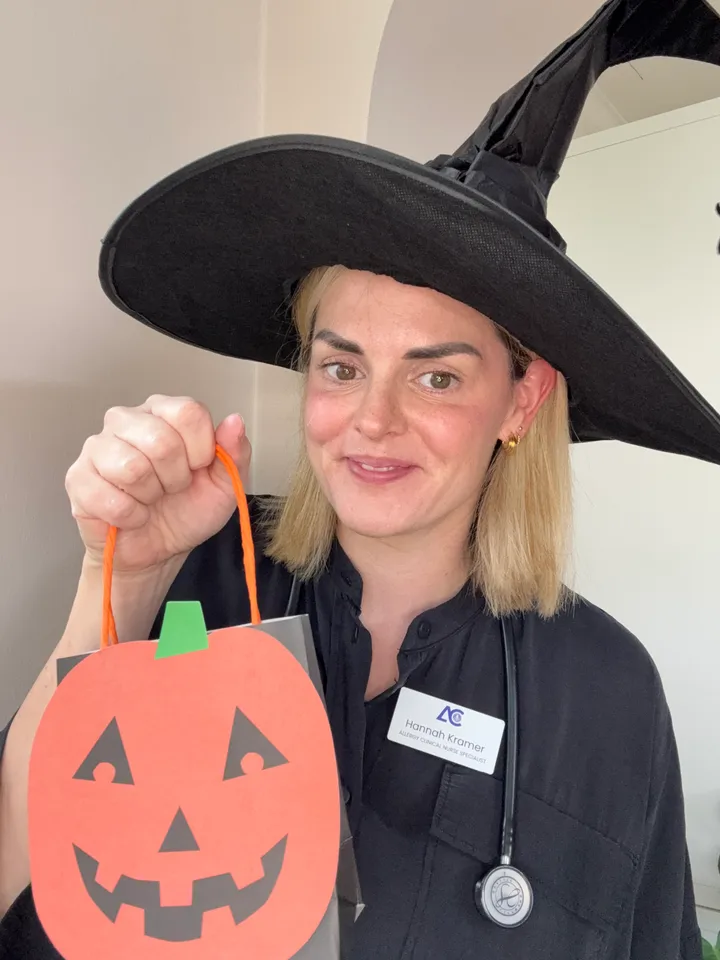
If you’re heading out trick-or-treating with the kids this evening, a health expert wants you to consider trying out the ‘Switch Witch’ if your children have allergies.
For the uninitiated, the ‘Switch Witch’ is a Halloween tradition where parents give their children the opportunity to swap most of their trick-or-treat haul for a toy.
Kids leave their sweets out in a designated spot, and the ‘Switch Witch’ comes along overnight to take the treats, leaving a new toy in their place.
While some describe the character as a “thief of joy”, Hannah Kramer, clinical nurse specialist at the Allergy Centre of Excellence (ACE), thinks it’s a great shout for parents of children with food allergies.
In the UK, 5-8% of children live with a food allergy, according to Allergy UK.
Why the ‘Switch Witch’ can be a great idea for toddlers and kids with allergies
The ‘Switch Witch’ means your child could either swap their Halloween stash for safe food treats (ones you’ve approved and know aren’t dangerous), a toy, book or craft activity, Kramer suggested.
“The concept is simple, and this is a great idea for children with food allergies but can also be enjoyed by non-allergic children too,” she said.
“It’s also a useful way to remove any sweets that you’re unsure about, contain ingredients that aren’t safe for your child, or may be a choking hazard for younger children,” said the allergy nurse.
“This way, children can still enjoy the excitement of collecting treats at Halloween, while parents can have greater peace of mind about what they’re eating.”
Sarah Remmer, a registered dietitian and nutritionist, suggested the concept is also a good idea for young children under two who “shouldn’t be eating any added sugar at all”.
For kids aged two to four years old, she suggested it can be “a fun way to encourage a child to be more discerning with the treats they love, and the ones they can live without”.
Restrictive intentions can backfire
But the dietitian warned that if the goal is to control your child’s sweet consumption due to concerns rooted in diet culture – for example, because of weight gain or health fears – the “cons of this strategy may start to surface in ugly ways”.
“Kids are smart. They can sense the restrictive intention behind the Switch Witch … the message that comes through loud and clear (for most kids) when you do the ‘Switch Witch’ or any other candy-trading strategy is that ‘candy is bad, and it is being taken away’,” she said.
The expert noted this is the opposite of food neutrality which she believes is “paramount to nurturing a child’s long-term relationship with food”.
How to have a safe Halloween if your child has allergies
Kramer suggested the following trick-or-treat dos and don’ts for parents of children with allergies:
-
DO always check the ingredients and allergen label on every treat, even if it’s a familiar brand or a seasonal version of a chocolate bar.
-
DO ask bakers or gift-givers about ingredients if labels aren’t available, especially for homemade or boutique treats.
-
DO consider a ‘no eating until we get home’ rule as it can be tricky to read ingredients on packets whilst out and about (often in the dark).
-
DO keep safe alternatives on hand for school events, parties, or trick-or-treat outings to prevent accidental exposure.
-
DO consider offering non-food treats to trick-or-treaters (for example: mini tubes of bubbles, small toys, stickers, transfer tattoos).
-
DO read ‘may contain’ or factory warnings carefully, cross-contamination risks can vary between products.
-
DO ensure that at least one friend* in the group is aware of your child’s allergies, what to do in case of an allergic reaction, and that they have your telephone number (*if your teenager or older child is going without you to a party or trick-or-treating with friends).
-
DO keep pets away from the door when answering the door to trick-or-treaters – this is appreciated by pet allergy sufferers and those who are nervous of pets alike.
-
DO look for ‘Allergy Ally’ neighbours displaying teal pumpkins or posters, and if in doubt, just trick-or-treat on houses of good friends or family who are aware of your child’s allergies. You could even pop round to the neighbours and explain your child’s allergies and provide them with some safe treats to give to your child.
-
DON’T assume a seasonal or novelty treat is safe just because the child eats the regular version.
-
DON’T give multipack or separated items without checking their labels – they may lack allergen information.
-
DON’T risk treats that are loose (unwrapped) or homemade where there is risk of not being sure of ingredients or cross-contamination in home baking.
-
DON’T forget to bring adrenaline devices and antihistamines in case of accidental exposure to an allergen leads to an allergic reaction.
-
DON’T rely on memory – ingredients, recipes, and factory processes can change each year.
-
DON’T let children share treats without verifying ingredients, even at school or parties.