“This Budget will be the biggest test of this government,” a Labour MP told HuffPost UK this week.
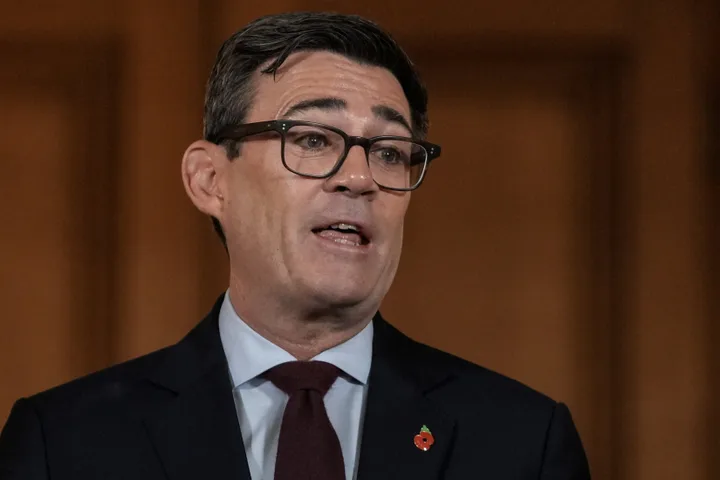
“Will Andy Burnham be able to hold onto his recent boost in the polls once he’s actually made some of those tough decisions?”
It’s a good question – and the government appears to have responded by dodging pretty much every difficult choice in the biggest financial event of the year.
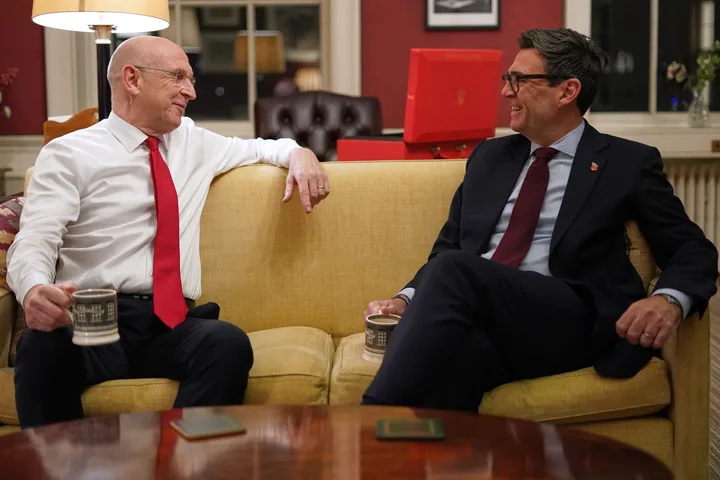
Chancellor John Healey did increase taxes on landlords, vape shops, bookies and banks. His overall policy measures are forecast to raise around £7.35 billion in net revenue by 2031–32.
That’s considerably less than the last two Labour Budgets from Rachel Reeves.
Healey was also meant to give Brits “breathing space” amid heightened pressure on the cost of living.
He did take £100 off households in the council tax bands A through to D, along with scrapping standing rates on gas bills, a move meant to save 60% of homes up to £45 a year.
But there was no dramatic surprise, even as energy bills are expected to go up by a whopping £400 come January according to early forecasts.
The chancellor – who famously resigned as Keir Starmer’s defence secretary over a lack of defence spending – still did not explain how he would increase funding for the sector.
Healey publicly adopted the target of reaching 3% of GDP (gross domestic product) on defence by 2030 and reiterated his Nato commitment to spend 3.5% by 2035.
But, he still deferred any major decisions on the divisive topic to the 2027 spending review.
Meanwhile, former Tory defence secretary Ben Wallace warned on X that the Ministry of Defence still faces a “real-term cut to day-to-day spending” in 2027 and 2028.
The chancellor also did not unveil any plans to reform welfare, meaning it remains unclear just where the money to increase defence spending will come from.
The Budget included the assumptions that the Rosebank oil field would be approved and bring in tax revenues to the country, too – even though the government has not formally given the controversial development the green light yet.
Having secured a steady lead in the opinion polls after just three months in power, it would not be surprising if Burnham was hoping not to rock the boat – despite his previous dramatic pledges to end “40 years of neoliberalism”.
The Institute for Fiscal Studies’ director Helen Miller described the Budget as, “Lots of fiddling, short-term things, new complications.”
The Resolution Foundation’s chief executive Ruth Curtice said the Treasury had “spread the jam thin” with its support for households.
She also warned Healey’s decision to reduce the fiscal headroom to £15 billion gives the UK no protection against any future inflationary shocks from the Iran war.
The economic outlook offered little comfort.
The public spending watchdog – the Office for Budget Responsibility – predicted UK growth forecasts will go down next year, a real blow to Burnham’s promise to “put growth in every postcode”.
The OBR predicted that the outlook for UK living standards has also been slashed, despite the chancellor’s attempts to protect Brits.
The watchdog’s David Miles said its findings painted a “pretty grim picture”.
He explained: “If you go back to just before Covid, and take that as your base, where we are right now – seven years later, is virtually no growth in per person real household disposable income. That’s pretty unusual in the history of the UK.”
Economist Paul Johnson pointed out that the government might be laying the groundwork for spending cuts on most areas of public service spending between 2028-29, and 2031-32.
Healey did try to lay the groundwork for the difficult decisions which lie ahead while unveiling the Budget.
“There are real challenges ahead but Britain has beaten the forecasts this year, and with the action I am taking today I believe Britain can beat the forecasts again,” he told MPs.
But with all this uncertainty looming, Healey’s “keep calm and carry on” Budget just risks putting off the hard decisions for another day.
Listen to Commons People, the podcast that makes politics easy. Every week, Kevin Schofield and Kate Nicholson unpack the week’s biggest stories to keep you informed. Join us for straightforward analysis of what’s going on at Westminster.