For about a year and a half now, I’ve been obsessed with getting enough fibre in my diet. After all, about 90% of us fail to consume the recommended 30g a day, even though it’s linked to lower risks of heart disease, cancer, and dementia.
I’ve tried a handful of recipes (including chia chocolate overnight oats, stewed pear porridge, and Weetabix “carrot cake”) to help me reach that goal.
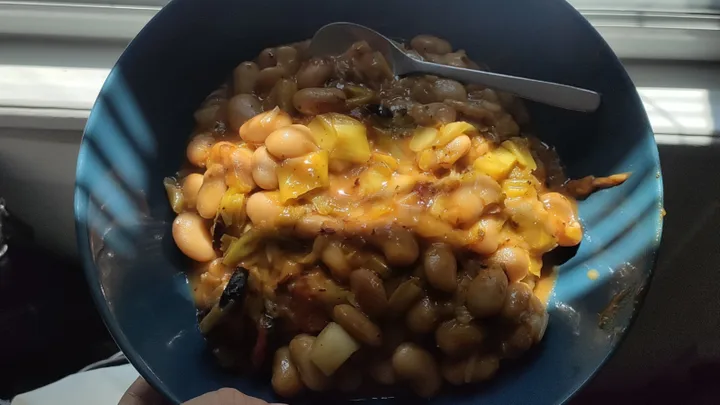
But my most consistent go-to has remained harissa butter beans with eggs, which takes a grand total of five minutes to cook on the hob every lunchtime.
As it turns out, I’ve accidentally taken part in Veg Power and The Food Foundation’s Feel The Fibre campaign, which is part of the broader Bang In Some Beans initiative, aiming to increase the nation’s bean and pulses consumption.
Beans, they say, are a “real-life ‘superfood’… a triple win for health, climate, and affordability objectives and a rare example of a food that pretty much everyone can agree delivers on multiple fronts”.
After months of adding more of them to my meals, meaning I’m now consuming beans at least five days a week, here’s what I’ve noticed:
1) I noticed digestive changes, but not *those* ones
You might think that high-fibre foods cause flatulence, which can be true if you ramp up your consumption too quickly. The culprit with beans is usually raffinose, a hard-to-digest carb that can make us produce more gas.
However, not only can this effect be reduced by soaking beans for at least 16 hours, but I honestly haven’t noticed a difference on that front. Plus, research shows that the more fibre you eat, the more well-adjusted your stomach becomes.
But I have noticed I’ve become more, er, regular, which is always welcome.
2) I feel fuller for longer
I have tried multiple “slow-release, high-fibre, high-protein” meals experts promise me will keep me full for hours. They almost never do: no matter how much Greek yoghurt and walnuts I guzzle down after dinner, I’m still craving a cake 30 minutes later.
Not so with beans, though. Interestingly, a randomised controlled trial found that beans are about as satiating as beef among older adults, probably because they contain both protein and fibre.
Whatever’s going on here, I’m always genuinely satisfied after my new favourite lunch.
3) I get fewer 3pm crashes
BANT-registered nutritionist Hannah Alderson previously told HuffPost UK that because beans “offer a combined carbohydrate–protein source, they can be particularly supportive for blood sugar balance”.
Perhaps that’s why my 3pm slumps have become less common (spikes in blood sugar, perhaps deriving from your lunch, can sometimes make people feel more sleepy in the afternoon).
4) I spend less on my weekly shop
Another obvious plus side? As the Food Foundation writes, “crucially, in a cost-of-living crisis, [beans] are more affordable than both animal protein and other plant-based meat alternatives”.
I make a work week’s worth of lunches with one tin of tomatoes, a little tub of harissa, four cans of beans, 10 eggs, feta, and some spices. All in, that costs me £9.55, or £1.91 a day – and that’s with added bells and whistles, like harissa and cheese, which it would probably still taste great without.
5) I spend less time cooking, too
I make the bean base of my lunches at the start of the week and poach eggs in it on the day, shakshuka-style. This takes about five minutes.
As for the prep itself, I used to stew beans in sautéed onions and reduce the tomatoes before adding harissa. Now, I just mix tinned tomatoes, harissa, drained beans, spices, and salt together in a big bowl on Sunday – and I can’t say I’ve noticed much difference.
That’s speedier, and more nutritious, than the sandwiches I used to knock together. It feels way more like a “proper” meal, and because there’s no meat or dairy involved in the prep, I don’t have to worry as much about things going off.
6) My heart might be thanking me
Because high cholesterol runs in my family, I get it checked quite regularly. It has lowered since I began my bean habit (from borderline to normal), and while I can’t say for sure my lunches did it, research suggests they wouldn’t have hurt.
One study found that consuming 180g of tinned beans a day lowered LDL cholesterol among those whose levels were too high in the beginning of the trial.
As Alderson previously shared, “regular consumption of beans and other legumes is associated with improved metabolic and cardiovascular health”.
It looks like I’ll be sticking with my beloved lunch for the foreseeable…