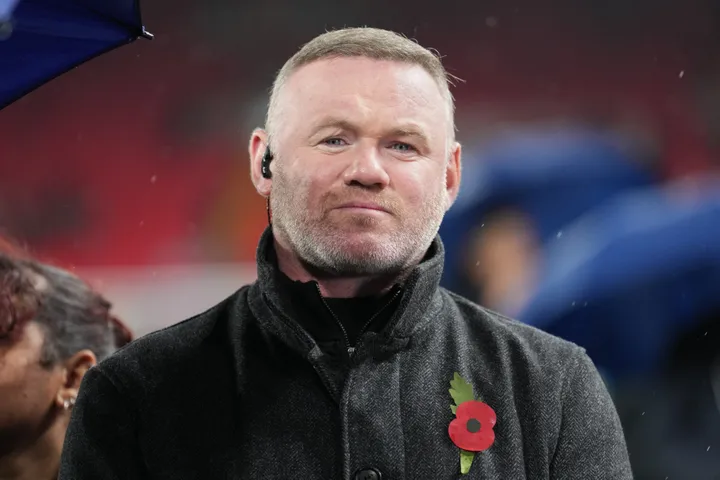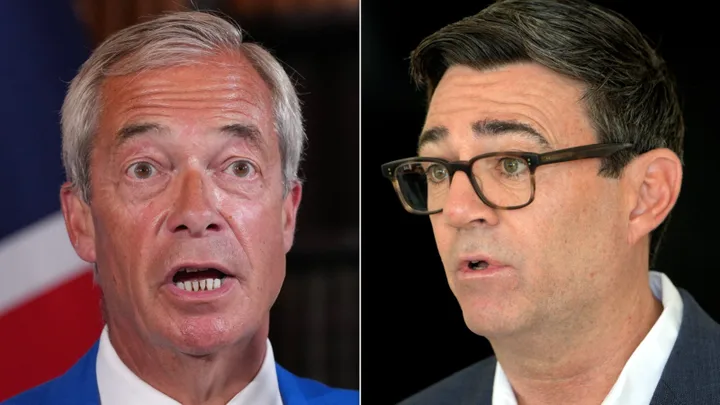
In September, two individuals promised donations worth £72 million to Reform UK. Two people, £36 million each, in one of the most extraordinary demonstrations of the power of money in modern British politics.
Both donations were made within the law. And that is precisely why our political funding system needs to change.
Britain places no general limit on how much an individual can donate to a political party. A wealthy donor can give millions, or tens of millions, while most people could never dream of exercising that kind of financial influence.
We must remember however that Reform is not the only party that has been benefitting. Labour and the Conservatives also have wealthy donors. The problem is not one party or one billionaire. It is a political system that allows enormous sums of money to flow from a tiny number of individuals into the heart of our democracy.
And it is a system that parliament now has a rare opportunity to reform.
The Representation of the People Bill is progressing through parliament and is currently being debated in the House of Lords. It represents one of the most significant opportunities in years to strengthen the rules governing our elections and political finance.
At Fair Vote UK, we have been working alongside a coalition of democracy and anti-corruption organisations to strengthen this legislation. We have welcomed the government’s willingness to address vulnerabilities in political funding, but there is one glaring omission.
The Bill still does not introduce a general cap on domestic political donations.
The government has proposed important reforms, including restrictions on donations from overseas electors, stronger checks on company donations and a moratorium on cryptocurrency contributions.
These measures matter. They will help close loopholes and strengthen protections against foreign interference.
But they do not address the extraordinary concentration of financial power within British politics.
Under the proposed rules, a donor who meets the domestic eligibility requirements could still give £50 million, £100 million or more to a political party.
If we recognise that very large donations from overseas electors can pose risks to democratic integrity, why are we comfortable allowing unlimited donations from wealthy individuals at home?
This is where Britain stands apart from many comparable democracies. Countries including France, Ireland and Canada have introduced limits on political donations, while the UK continues to allow contributions of unlimited value.
The Electoral Commission itself has acknowledged that donation caps could help address public concerns about political funding and improve trust and confidence in the system.
That matters because the problem isn’t simply whether a donation results in a particular political favour.
Large donations can create the perception that access and influence are available to those who can afford them. And when political parties become increasingly reliant on a handful of wealthy backers, questions about whose interests are being prioritised are inevitable.
For a public already deeply sceptical about politics, that perception is corrosive.
And the public is remarkably clear about what it wants.
Polling we commissioned found that 92% of voters support some form of cap on political donations. That is an extraordinary level of agreement across a country divided on so many other political questions.
People understand that political participation should not be determined by the size of someone’s bank balance.
Yet despite that overwhelming support, the government has stopped short of committing to a cap.
Instead, it has established a new forum to examine the influence of mega-donors and the future of political funding.
That is a welcome acknowledgement of the problem. But the issue is hardly new, and the arguments for reform have been examined repeatedly.
The question is whether this process will produce meaningful change while Parliament still has an opportunity to act.
There is already a practical proposal on the table.
During the Commons stages of the Bill, Labour MP Stella Creasy brought forward an amendment proposing an initial £500,000 annual cap on political donations, reducing to £100,000 the following year.
The amendment was not put to a vote but it demonstrated that there is a credible legislative route to addressing unlimited donations.
Of course, any cap must be carefully designed, as political parties need sufficient resources to operate, campaign and communicate with voters.
But there are legitimate questions about trade union funding, enforcement and how to prevent donors circumventing new limits.
These questions should be part of designing reform, not an excuse for avoiding it.
And importantly, prime minister Andy Burnham has already recognised the principle at stake.
During the Makerfield by-election, he publicly supported a cap on political donations, arguing that it would help prevent political parties being unduly influenced by a single individual or organisation.
It was a welcome recognition that unlimited donations create risks for democratic confidence.
Now, with the Representation of the People Bill before parliament, the government has an opportunity to translate that commitment into law.
The next stages of the Bill in the Lords will be critical. Peers have an opportunity to strengthen the legislation and ensure that the question of domestic donation caps is properly addressed.
A cap would not eliminate the influence of wealth in politics. Nor would it resolve every concern about transparency, lobbying or political access.
But it would establish an important principle, that no individual should be able to exercise unlimited financial influence over our political parties and that democracy belongs to us all.
Kyle Taylor is the director of Fair Vote UK, a campaign group focused on strengthening British democracy.
Listen to Commons People, the podcast that makes politics easy. Every week, Kevin Schofield and Kate Nicholson unpack the week’s biggest stories to keep you informed. Join us for straightforward analysis of what’s going on at Westminster.