It’s official: cold and flu season is upon us. Well, actually if we’re going to be technical about it, flu season has already been knocking about for a few months now – with cases on the rise in the UK since August.
If you’ve already been on the receiving end of this year’s flu bout (guilty) you’ll know you don’t want a repeat of that for yourself or your family.
With the cold weather slowly starting to set in over the next few weeks, now is as good a time as any to start getting you and your whole household prepared for the viruses ahead.
If you haven’t already stocked your supplements cupboard, we’ve consulted the research to find the supplements that could support your wellbeing over the coming months.
Vitamin D
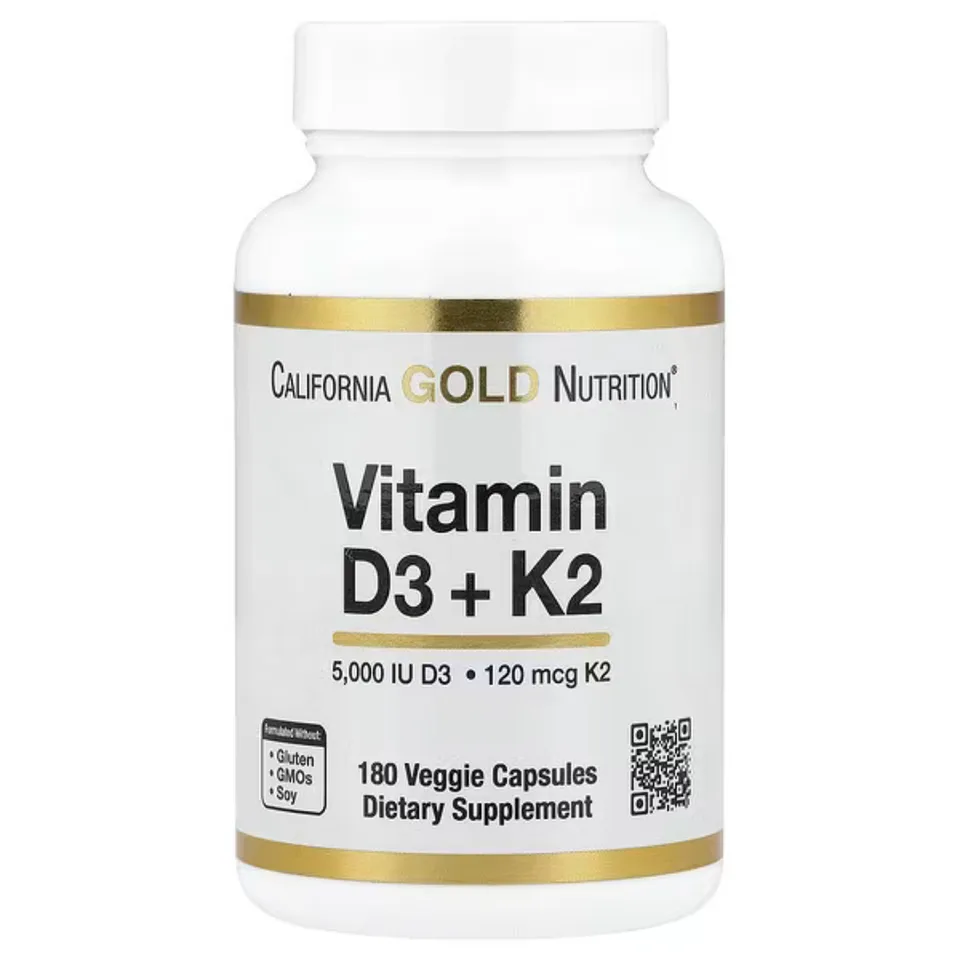
In case you missed it, vitamin D is one of the most crucial vitamins to take during winter.
If the dwindling daylight hours aren’t enough of a sign that you won’t be getting your ideal sunlight intake over the next few months, the NHS website urges you to take around 10mcg of vitamin D from now until March.
Gut health
Research shows that around 70% of our immune system is located in the gut, research shows, so maintaining a healthy gut through a balanced diet or taking probiotics could help prevent illnesses such as common colds, sinusitis, or laryngitis.
Vitamin B
Not only is vitamin B great for brain health and mental health conditions such as anxiety and depression (which we all need a helping hand with, let’s be honest) but it also plays a key part in immunity.
Vitamin B12 alone can help with the production of red blood cells, which help to fight infections, while B6 can help support energy levels and overall immune healthy, but each type of vitamin B contributes to your immune system in different ways.
Taking a complete B vitamin supplement can help support your immune and nervous systems.
Magnesium
We all know that magnesium can help us get to sleep and support overall energy levels throughout the day, but it can also help with immune health.
If you struggle to get enough magnesium through your diet, taking magnesium supplements could help reduce inflammation and help support overall immune health.
However, research shows that taking too much magnesium could actually have a negative impact on your immune function, so it’s worth consulting your doctor before taking one.
Kids multivitamins
Although kids need the same vitamins as adults, they require a lower dose. Going for a kid-specific multivitamin could help ensure you’re giving them the correct amount – and gummies are often tastier, making it an easier routine to get into all-round.