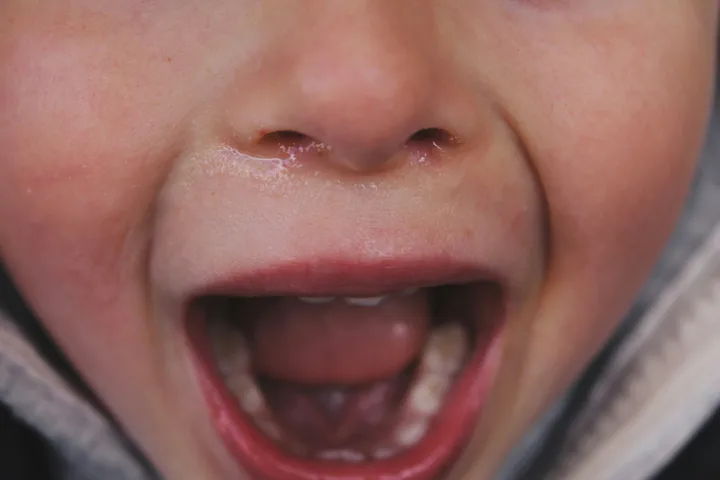
If your child hasn’t got sick yet after heading back to school, you’re doing mighty well.
Experts suggest the rise in respiratory viruses after the summer holidays is largely down to the return to group settings and indoor environments, as well as changes in daily routines (think: waking up earlier, getting less sleep, feeling stressed about school, and eating differently).
It’s thought children catch around five to eight colds a year. Tummy bugs; flu; Covid-19; chickenpox; hand, foot and mouth are all added extras. (And spare a thought for the toddlers among us who can expect to catch up to 19 illnesses during their first year in nursery.)
With the sniffles, shivers and spluttering well under way, we heard from health experts about some of the most common back-to-school bugs that kids are likely to pick up, as well as the symptoms to watch out for, how’s best to treat them and when they should be staying home.
1. Common cold
Coming in at most common is – unsurprisingly – the common cold. According to Cleveland Clinic, over 200 different viruses can causes colds, with the usual culprit being rhinovirus.
This one’s characterised by a sore throat, coughing, sneezing, congestion and possibly a high temperature, according to Dr Corne Hurter at AXA Health.
Kids can still go to school with a cold, however if they have a high temperature (aka a fever), the advice is to keep them off until their temperature has returned to normal.
You can typically treat a cold at home. The NHS advises staying hydrated, resting up, eating healthy food, as well as drinking a warm lemon and honey drink (for children over the age of one).
2. Flu
Flu season typically hits in November, peaking between December and February, but that’s not to say it can’t arrive earlier – and many schools are already well on their way to delivering immunisations (school-aged children are eligible for a free flu vaccine, as are four-year-olds who aren’t at school yet, and two- to three-year-olds).
Flu symptoms typically include a high temperature, fatigue, aches, sore throat, dry cough and headache. Children can also experience pain in their ear, sore eyes, swollen glands and appear less active.
If you think your child has flu, it’s best to keep them off until they feel well enough to resume normal activities and/or their temperature has returned to normal.
You can treat it with lots of rest, paracetamol or ibuprofen to keep fever down and aches at bay (check the packaging or leaflet to make sure the medicine is suitable for your child) and staying hydrated.
Photo by Marco Aurélio Conde on Unsplash
3. Norovirus
This one is a particularly grim one if your entire family comes down with it – and it’s very contagious, so the likelihood of that happening is high. Typical symptoms include nausea, vomiting, diarrhoea, a high temperature and headache.
If kids have noro or a similar tummy bug, they should be off school until 48 hours after their last episode of vomiting or diarrhoea. They’ll need to drink lots of fluids to rehydrate and get plenty of rest.
You might also want to steer clear of dairy and greasy or highly processed foods, according to doctors. Bland and boring foods work best, like toast, crackers, rice or plain boiled potatoes.
If symptoms persist for more than 48 hours, or if there are signs of severe dehydration (such as dizziness, confusion or reduced urine output), speak to your GP.
4. Strep throat
Strep throat is an infection in the throat and tonsil area caused by group A Streptococcus bacteria. It’s typically treated with antibiotics, so speak to your GP if you suspect your child has it.
Dr Hurter said it can cause a fever, sore throat, enlarged and red tonsils, white spots on the back of the throat, headache, and general body aches.
If you suspect your child’s had strep throat and they also develop a high temperature, severe muscle aches, pain in one area of the body and unexplained vomiting or diarrhoea, call NHS 111, as it could signal a more severe condition called invasive Group A Strep (IGAS).
5. Chickenpox
Chickenpox is another very contagious infection caused by the varicella zoster virus. Data indicates that half of children will contract chickenpox by the age of four, and 90% by the age of 10.
Kids might initially experience flu-like symptoms, such as a high temperature and feeling sick and/or tired and achy. A red itchy rash then appears over the body with spots blistering and, after a day or two, crusting over.
While chickenpox can cause a lot of frustration and upset, children’s symptoms will often resolve themselves naturally. But if the skin around the blisters becomes hot, red or painful; the blisters themselves get infected; or your child develops other symptoms such as dehydration, chest pain, or difficulty breathing, speak to your GP.
Never give ibuprofen to kids with chickenpox (unless told to by a doctor). Pharmacists can provide antihistamine medicine to try and ease any itching, while paracetamol can help with pain or discomfort.
Children with chickenpox should stay off school until all the spots have crusted over – usually about five days after they first appeared.
Dr Hurter ended: “Unfortunately, it is impossible to avoid colds and viruses as they’re so prevalent in schools and nurseries … practising good hygiene and giving children the right routines can give them (and the family) the best chance of avoiding picking things up.”