When you’ve got young kids in the house, it can feel like danger lurks everywhere – even when you’ve done your best to child-proof every room.
But when grandparents or other relatives come to stay, or you visit them, there is a threat that lurks on bedside tables, or in grandma’s handbag, which could land your child in hospital.
According to a 2016 study, grandparents’ medications account for 10-20% of unintentional paediatric intoxications in the United States.
Of 200 incidents analysed, researchers found the average age of the child admitted to hospital was 18 months old, and most medications they’d ingested had been placed on tables, countertops, or low shelves.
In the UK, the British Toxicology Society noted that approximately two-thirds of cases of childhood accidental medication poisoning are from medications not intended for children’s use, “often either their parent’s or grandparent’s medications”.
While some children might come out unscathed, there are instances where they can become very ill, or it could prove fatal.
Opioids, tricyclic antidepressants, iron-containing medicines and anti-epileptic drugs can be particularly dangerous to small bodies.
In a video on the topic, emergency medicine physician Dr Meghan Martin (known as @beachgem10 on TikTok) explained that “because [a] kid’s body size is so small in comparison to an adult body size, even one pill can be a toxic ingestion for these kids”.
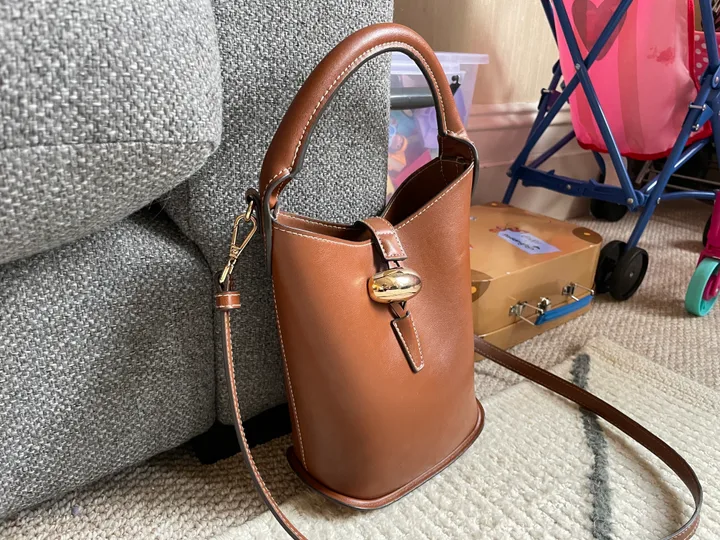
The issue, known as ‘granny syndrome’ or ‘granny’s purse syndrome’ (because medication is often stored in granny’s handbag or purse), could be easily avoided by having a simple conversation when you visit grandparents, or they visit you.
Ask them to store medications out of sight and reach of little ones – this means locked away in cupboards high up; not kept in bedside drawers, bathroom cabinets, handbags, rucksacks or suitcases.
Dr Martin also advised against taking medication in front of children because they “want to mimic what adults do”.
If your child has accidentally taken medication
If you think your child might have accidentally ingested medication, call 999 or go to A&E.
The NHS advises taking some of the pills or packaging to hospital to show doctors, so they know what they’re dealing with.
The health service also warns against trying to make children sick if you think they’ve taken something because of the choking risk, and said not to give them anything to eat or drink, either.