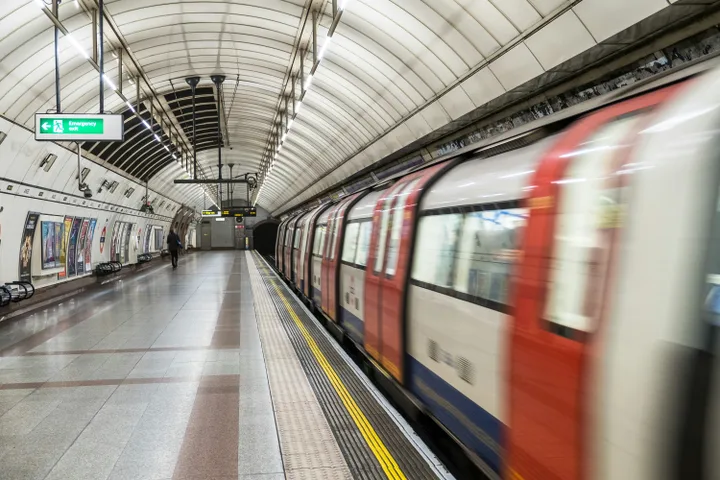
The London Underground is bracing for extensive strike action in the coming months following ongoing disputes over a number of issues.
Strikes are set to hit some of the biggest days in London, including one planned for ‘Super Saturday’ on 19 December, traditionally the capital’s most significant shopping day in the run up to Christmas.
Sporting events, commutes and festive plans will all face major disruption due to the strikes, which will make getting around the city much more difficult.
While strikes have been announced for the next few months, here’s everything you need to know about what’s going on this week.
Are there Tube strikes this week?
In short, yes, there are tube strikes planned this week. The first is expected to take place on Thursday, 26 November, with the rest planned for the coming weeks.
The strikes will all start at 12pm and end at 12pm the following day. Although the strikes will only last 24 hours, disruption is expected before and after as the lines slow down and resume normal service.
As with all strikes in the past, negotiations between Transport for London and the National Union of Rail, Maritime and Transport workers (RMT) are ongoing – meaning the strikes could be cancelled at the 11th hour.
When are the Tube strikes happening?
The strike dates confirmed so far in 2026:
- Thursday, November 26 to Friday, November 27
- Thursday, December 17 to Friday, December 18
- Saturday, December 19 to Sunday, December 20
- Monday, January 4 to Tuesday, January 5
- Wednesday, January 6 to Thursday, January 7
- Wednesday, February 17 to Thursday, February 18
- Tuesday, February 23 to Wednesday, February 24
Which Tube lines will be affected by the strike?
TfL has said there will be “some disruption” across all London’s tube lines, but suggested trains should still run on most services.
The Elizabeth Line, DLR, London Overground, buses and trams across the city are all expected to be running as normal throughout the strikes, but TfL has warned they’ll be busier than normal.
Anyone travelling during the Tube strikes has been advised to allow more time than usual for travel and plan their journey carefully before setting off.
Why are there Tube strikes?
Essentially, TfL and the RMT are negotiating over a four-day working week, which has been backed by the Aslef (Associated Society of Locomotive Engineers and Firemen) union.
While TfL says the change will be voluntary and lead to tube drivers working less hours, the RMT is less than happy about the proposed changes.
TfL has said drivers who prefer to remain on a five-day working week would be able to do so.
TfL’s director of customer operations, Nick Dent, saying the plans would give drivers a “real, meaningful choice” over their working patterns while enabling them to stay on a five-day week and remain at the same depot.
The RMT, however, has urged members to engage in strike action as they argue the changes would bring worse working conditions.
RMT general secretary Eddie Dempsey said: “London Underground is attempting to dress up a wholesale attack on drivers’ working conditions as a voluntary four-day week.
“But there is nothing voluntary about a scheme that forces drivers to give up existing protections whether they work four days or five, and threatens those who refuse with displacement from their depots.
“Our members are being asked to spend more time driving trains, accept longer and more unpredictable shifts and surrender agreements that have been negotiated and defended over many years.”