As the global insurance industry enters 2026, the London market stands at a critical crossroads, with Lloyds of London facing growing pressure to redefine its strategic direction following a major leadership change, including the appointment of Patric Tiernan as chief executive this year.
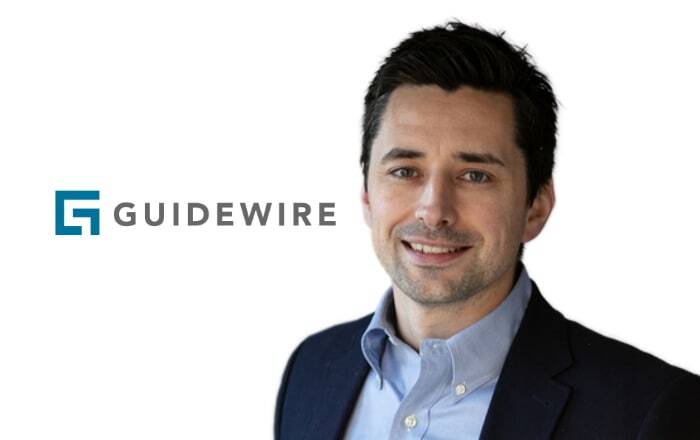
This new era will be defined by an exploration phase in which fundamental strategies are weighed against rapid technological change and a volatile risk environment, said Jamie McDonnell, London market director at Guidewire.
“Recent changes in leadership at Lloyd’s have opened the door to discussions about redefining the organization’s strategic direction and value proposition in the modern insurance market,” McDonald said.
He continued: “We may see Lloyds enter an exploratory phase, where the agency’s underlying strategy may be re-evaluated in the light of market dynamics and technological advances such as blockchain. There are calls in the market to explore the extent to which blockchain can mimic the ledger functions of a central bureau.
“We may also assess whether existing transaction management, risk facilitation and technology integration models are aligned with future industry needs and stakeholder expectations.”
McDonald added: “The London insurance market, led by influential entities such as Lloyd’s, is at a crossroads and decisions made now will determine the trajectory of industry practice over the next few years, affecting operational efficiency, market responsiveness and competitive position in a rapidly evolving global landscape.”
One of the most important changes for 2026 is the reclassification of secondary hazards. Historically, events like wildfires have not been threatened with the same modeling intensity as hurricanes or earthquakes.
However, the catastrophic Los Angeles wildfires in early 2025, which caused $140 billion in economic losses, forced people to change their views.
“This demonstrates how important it is to understand individual risk exposures, considering their aggregate aggregate and price accordingly. Enhanced data granularity and integration can also improve the understanding and management of risk at a very detailed and actionable level,” McDonald said.
MacDonald noted that as markets soften, insurers are looking to organic growth in primary lines across the continent. For many, however, this path forward is inorganic.
“Many insurers are openly talking about ‘opportunities’ in the continent’s primary insurance sector as a means of continuing to deliver on global warming potential growth in a weak market,” the executive said.
Warning: “However, there are also opportunities for inorganic growth through M&A. In this regard, we expect activity to increase as organizations strive to maintain growth and market relevance. Insurers that are unable to consolidate their technological capabilities and operational efficiencies in a rapidly modernizing environment will be left in a space where M&A is their only option for continued growth, or indeed become targets for acquisitions themselves.”