


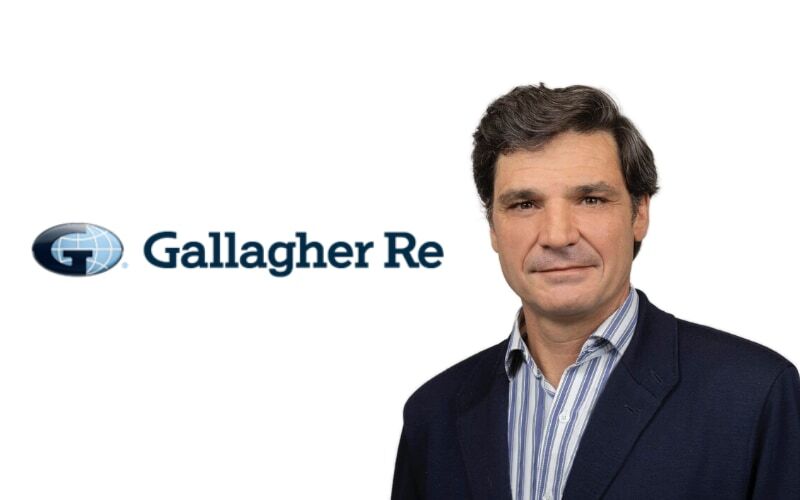
Pablo Muñoz, chief executive officer (CEO) of Gallagher Re, a global concurrent reinsurance brokerage and advisory company, said that after the crucial renewal on January 1, 2026, the global concurrent reinsurance market has entered a soft phase due to abundant capital, expanded demand, improved technological achievements and a steady flow of new capacity.
Muñoz expects that through 2026, these conditions will remain key to creating a more nuanced trading environment where opportunity and volatility coexist.
“Pricing continues to soften across most product lines and geographies, with price reductions broadly consistent across the market. Differentiation is present, but still modest, reflecting market weakness rather than structural segmentation,” Munoz explained.
“Stronger Risks” are supported by solid data, clear narratives and proactive risk management practices, ensuring the most favorable outcomes, while challenging risks benefit from the overall competitive context.
The housing market has experienced some of its most significant price cuts, driven by strong global supply and expanding demand from legacy airlines and MGAs. At the same time, the use of facilities and structured solutions has increased and terms and conditions have expanded as operators pursue efficiency and scale.
“Despite significant downstream losses, energy, power and renewables remain weak, with regional dynamics fragmented and competition intensifying,” Muñoz said. “The casualty market has also been moderating but is more volatile due to litigation trends, social inflation and local market behavior.”
Muñoz believes underwriting capacity will remain strong, although reinsurers will continue to manage volatility carefully, particularly in high-risk categories and long-tail risks.
The market will be assisted by facilities, delegation mechanisms and data-driven underwriting platforms. In addition, Munoz said, “Asia, the Middle East and Latin America and the Caribbean will remain highly competitive; the United States will also soften, albeit more cautiously; and London will continue to face pressure from local and global capacity. These differences are small but meaningless and reflect the fact that the market will generally remain weak.”
He concluded that in soft markets, the role of temp intermediaries becomes “increasingly important, not only to take on risk but also to provide clarity, anticipate change and enable clients to benefit from a market that rewards performance, transparency and strategic engagement.”