


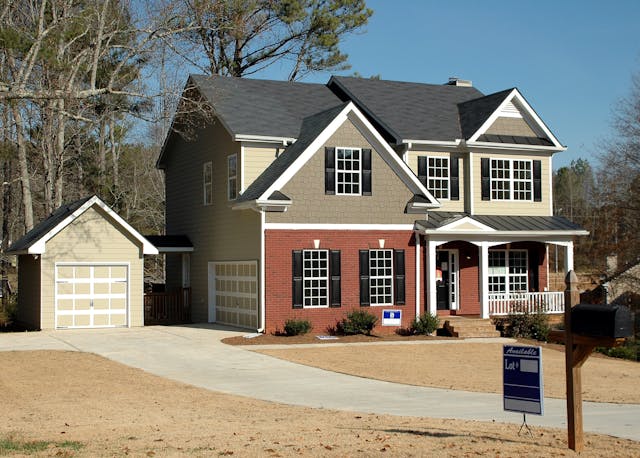
Purchasing a home is one of the biggest investments most people make in their lifetime. Once you’ve signed the paperwork and received the keys to your new home, your mind might turn to all the exciting possibilities – decorating, renovating, and making it your own. But one important thing you shouldn’t overlook is homeowners insurance. You might be wondering: when exactly should you get homeowners insurance? Is it something you should arrange before closing, or can you wait until you’ve settled in?
In this article, we’ll explore when to get homeowners insurance, why it’s crucial, and everything you need to know to ensure you’re fully protected from day one.
Introduction: What Is Homeowners Insurance?
Homeowners insurance is a type of coverage that protects your home and belongings from various risks like fire, theft, vandalism, and natural disasters. It also covers liability if someone gets injured on your property. Whether you have a mortgage or own the home outright, having homeowners insurance is a smart way to safeguard your investment and avoid catastrophic financial loss.
But the big question is: When should you get homeowners insurance? It’s not just about having it; it’s about knowing when to get it to ensure you’re fully protected when you need it the most.
When Should You Get Homeowners Insurance?
Before You Close on the Home
One of the most common questions homebuyers ask is when they should purchase homeowners insurance. The answer is simple: before you close on the house. In fact, you typically need proof of homeowners insurance to finalize your mortgage.
Mortgage lenders usually require that you have homeowners insurance in place before the closing date. This ensures that your new property is protected as soon as you take ownership. If you’re financing your home with a loan, the lender will want to make sure that both the structure of the house and its contents are insured to their full value, in case something happens before you’ve paid off your mortgage.
The Role of the Mortgage Lender
Mortgage lenders often include homeowners insurance as part of the requirements for securing a loan. The policy ensures that if anything happens to the house — like a fire, storm, or theft — the lender’s investment is protected. While you may have some flexibility in choosing your policy, make sure it meets the minimum requirements outlined by the lender.
How Soon Before Closing Should You Get Insurance?
You should begin shopping for homeowners insurance at least 30 days before the closing. This gives you enough time to compare different policies, find the best coverage, and get all the paperwork in order.
In most cases, your mortgage company will want you to provide proof of insurance a few days before closing. Be sure to ask your insurance company for a certificate of insurance (also known as a proof of coverage) to submit to your lender. This certificate should include the policy number, effective date, and coverage limits.
Insurance Timeline and Requirements
Once you have your policy, the insurer will provide you with a declaration page that outlines the coverage and other essential details. Your lender will review this to ensure it aligns with their requirements before moving forward with the closing process.
Do You Need Homeowners Insurance if You Own the Home Outright?
Even if you own your home outright and don’t have a mortgage, it’s still highly recommended to get homeowners insurance. In fact, some states require homeowners to carry insurance, regardless of whether they have a mortgage.
Insurance for Non-Mortgaged Homes
Without a mortgage, you have more flexibility in choosing your coverage, but you still face the same risks. If your home is damaged by a fire or storm and you don’t have insurance, you could face tens of thousands of dollars in repairs out of pocket. Homeowners insurance offers peace of mind by covering these unexpected expenses and ensuring you’re financially protected.
Risks of Not Having Homeowners Insurance
Not having homeowners insurance can be risky, especially if you live in an area prone to natural disasters, accidents, or theft. Imagine the cost of rebuilding your home or replacing your possessions if they were destroyed in a fire or flood. Homeowners insurance provides a safety net so you don’t have to bear these burdens alone.
How to Choose the Right Homeowners Insurance
Choosing the right policy is essential. Here are some factors to consider:
Types of Coverage to Consider
-
Dwelling Coverage: This covers the structure of your home, including the walls, roof, and foundation.
-
Personal Property Coverage: This protects your belongings, such as furniture, electronics, and clothing.
-
Liability Coverage: This covers medical bills or legal costs if someone is injured on your property.
-
Additional Living Expenses: If your home becomes uninhabitable, this covers the cost of temporary housing.
Factors to Take Into Account When Choosing a Policy
-
Location: Homes in areas prone to natural disasters (e.g., floods, earthquakes, hurricanes) may require additional coverage.
-
Home Value: Make sure your policy provides enough coverage to rebuild your home in case of total loss.
-
Deductibles: A higher deductible may lower your premium but will cost you more in the event of a claim.
What Does Homeowners Insurance Cover?
Homeowners insurance typically covers:
-
Damage to your home and personal property due to perils like fire, theft, vandalism, and certain types of natural disasters.
-
Personal liability in case someone is injured on your property.
-
Medical payments for guests injured on your property, regardless of who’s at fault.
In addition to these, you can add more coverage for things like flood damage or earthquake damage, depending on where you live.
Can You Change Your Homeowners Insurance After You’ve Purchased the Home?
Absolutely! After you’ve purchased your home and settled in, you can review your insurance policy and make adjustments if needed. For example, if you’ve added valuable items to your home or made renovations, you may want to increase your coverage. You can also shop around for different insurers to find better rates.
It’s a good idea to review your policy annually to make sure your coverage still meets your needs.
How Much Homeowners Insurance Do You Need?
The amount of coverage you need depends on several factors:
-
The value of your home: Your policy should cover at least the cost of rebuilding your home in the event of a disaster.
-
Personal belongings: Estimate the value of your possessions, and make sure you have adequate coverage to replace them if they’re destroyed.
-
Liability protection: Consider how much liability coverage you might need based on your lifestyle and assets.
Determining Adequate Coverage
A good rule of thumb is to insure your home for at least 80% of its replacement cost. This ensures that you can rebuild the structure and replace your belongings without dipping into your savings.
Common Mistakes to Avoid When Getting Homeowners Insurance
-
Underinsuring Your Home: It’s tempting to buy the minimum coverage required, but this might not be enough to rebuild your home in the event of a disaster.
-
Not Comparing Quotes: Don’t settle for the first quote you receive. Shop around to find the best coverage at the best price.
-
Ignoring Additional Coverage: If you live in a high-risk area, consider adding extra coverage for floods, earthquakes, or other natural disasters.
When Does Homeowners Insurance Take Effect?
Once you’ve finalized your policy, coverage typically begins as soon as the insurer processes the paperwork and you make the first payment. However, check with your insurer to ensure there aren’t any waiting periods for specific types of coverage (e.g., flood insurance).
Frequently Asked Questions (FAQs)
1. When should I get homeowners insurance?
It’s important to arrange homeowners insurance before closing on the home to meet mortgage lender requirements and ensure you’re protected from the moment you take possession.
2. Can I change my homeowners insurance after purchasing my home?
Yes, you can adjust your policy anytime after purchasing your home. Review your coverage regularly to ensure it still meets your needs.
3. Is homeowners insurance required if I own the home outright?
While not legally required, homeowners insurance is highly recommended to protect your property and belongings from potential risks.
4. How do I know how much homeowners insurance I need?
Consider the replacement cost of your home, the value of your personal belongings, and the level of liability coverage you need based on your lifestyle.
5. What should I do if I miss the deadline for getting homeowners insurance?
Contact your mortgage lender immediately and explain the situation. They may allow you to purchase insurance after the closing, but it’s always best to have it arranged beforehand.
Please don’t forget to leave a review.